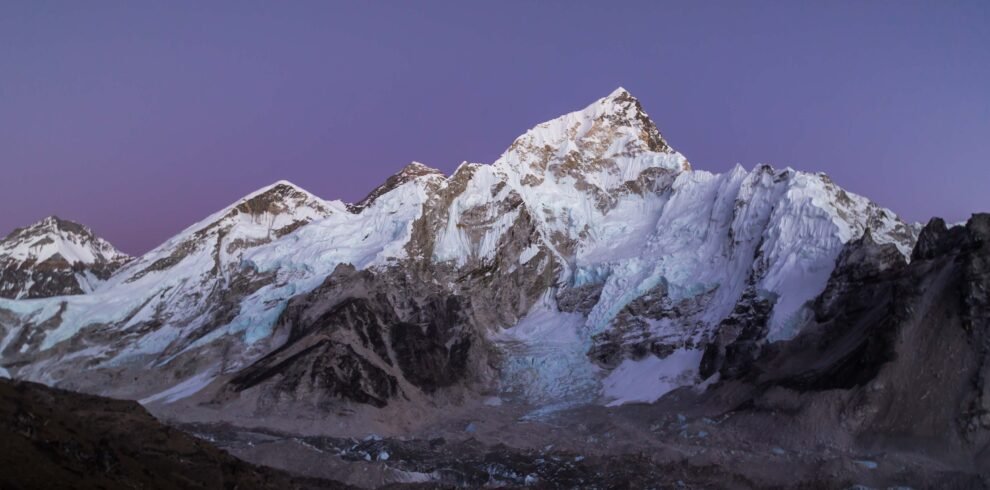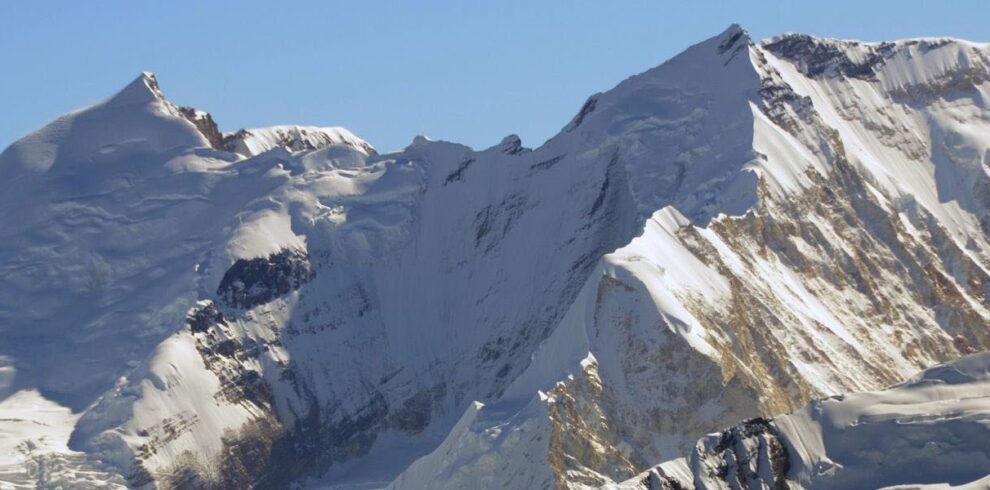
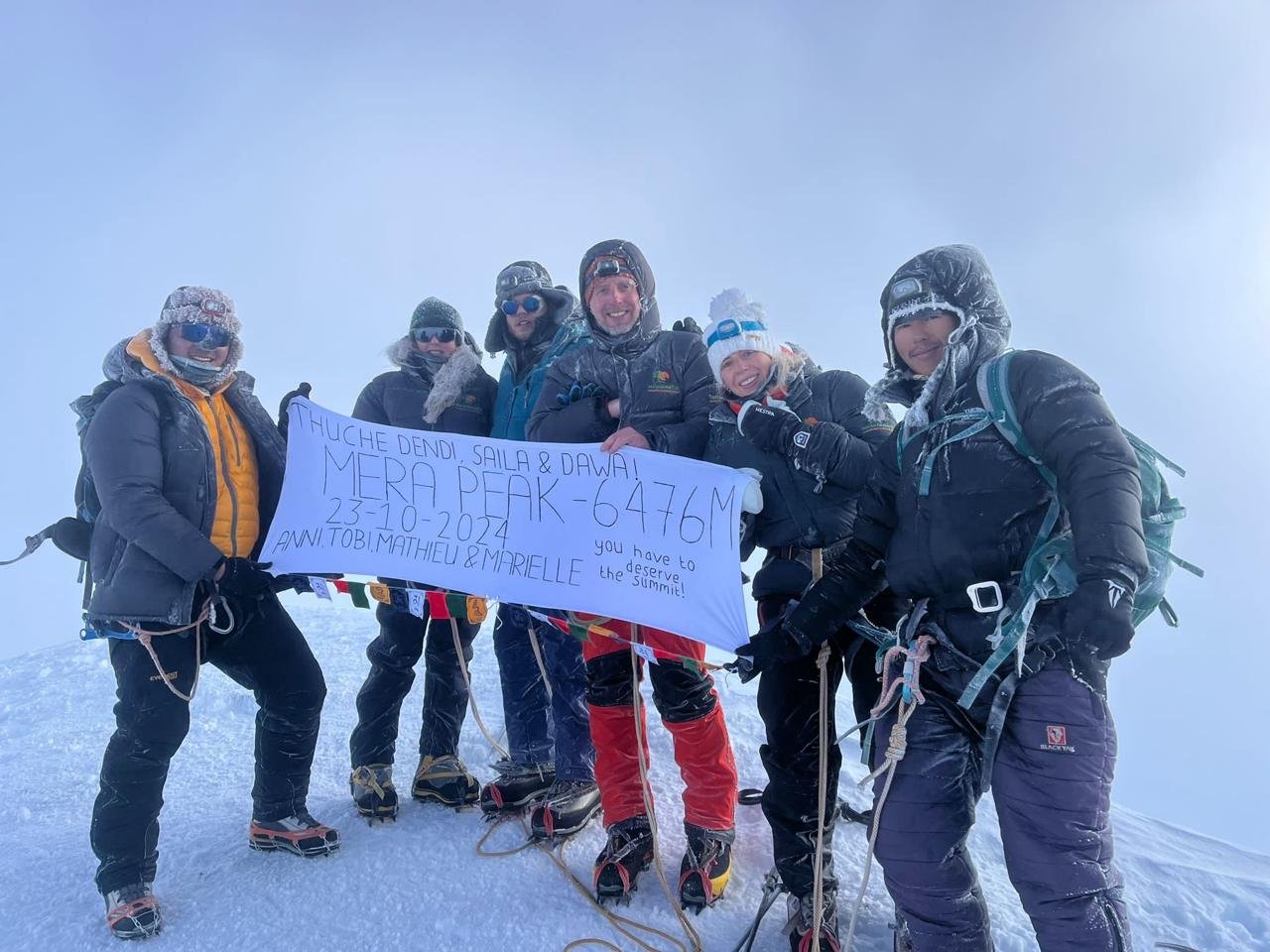
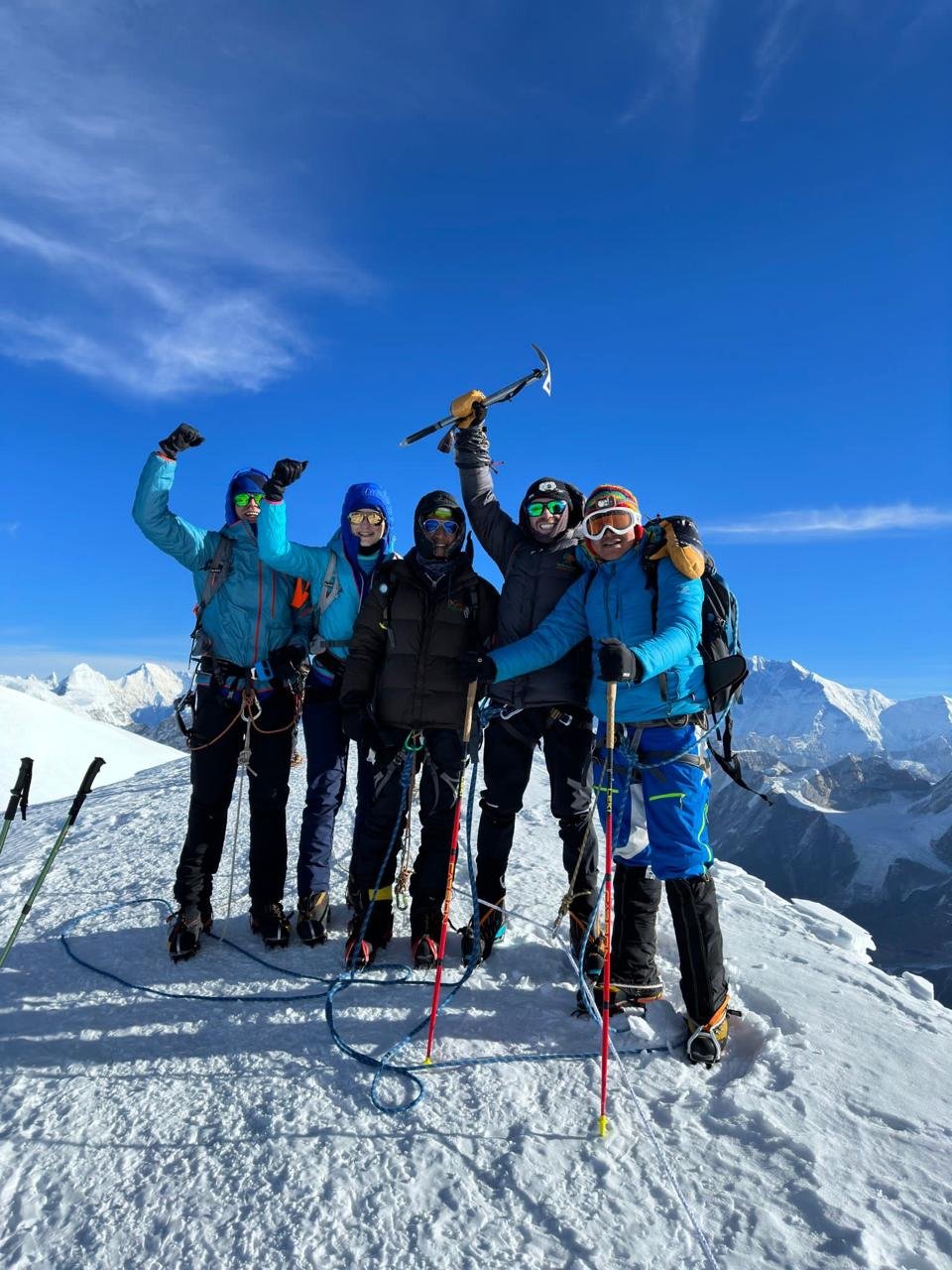
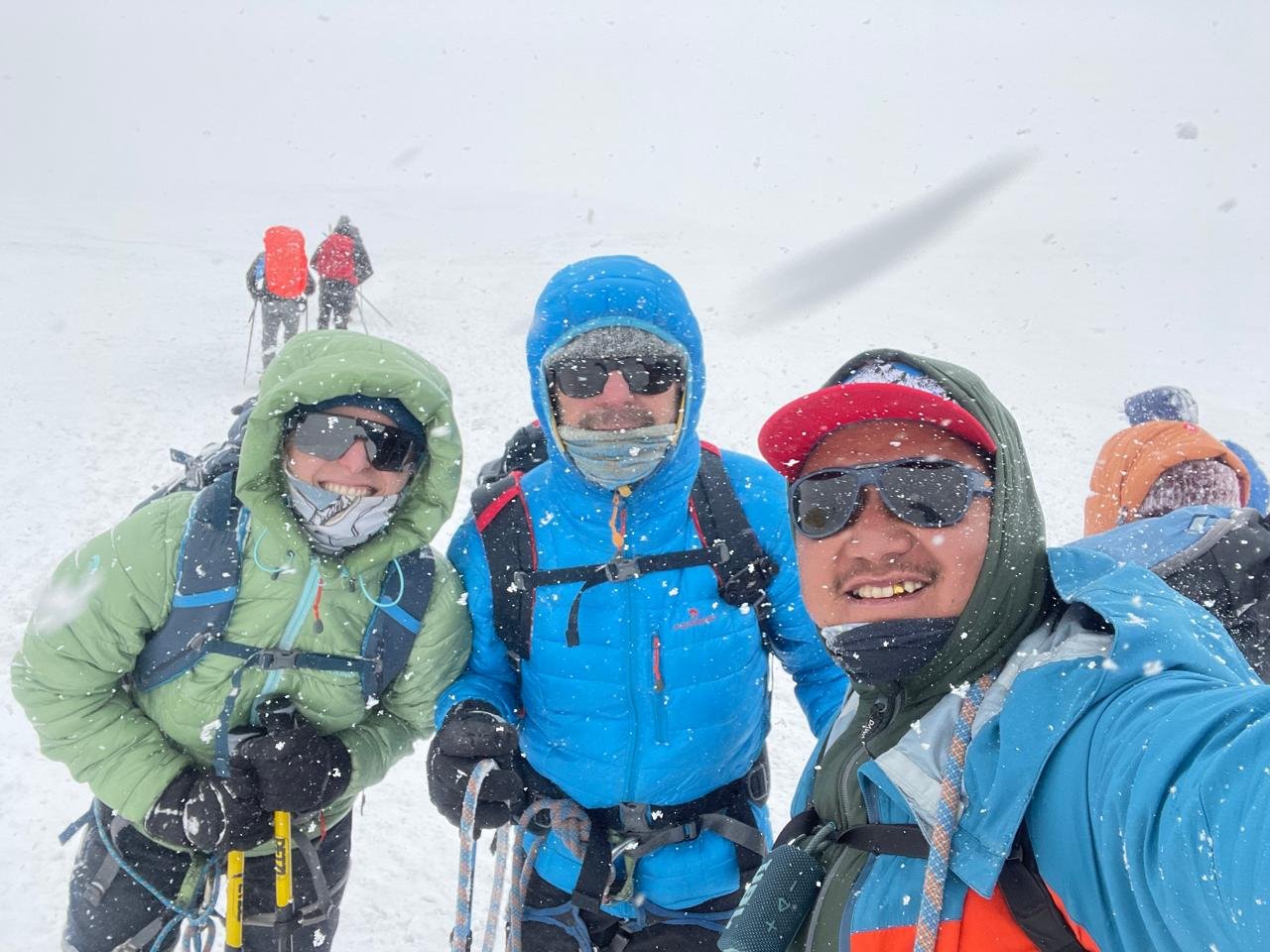
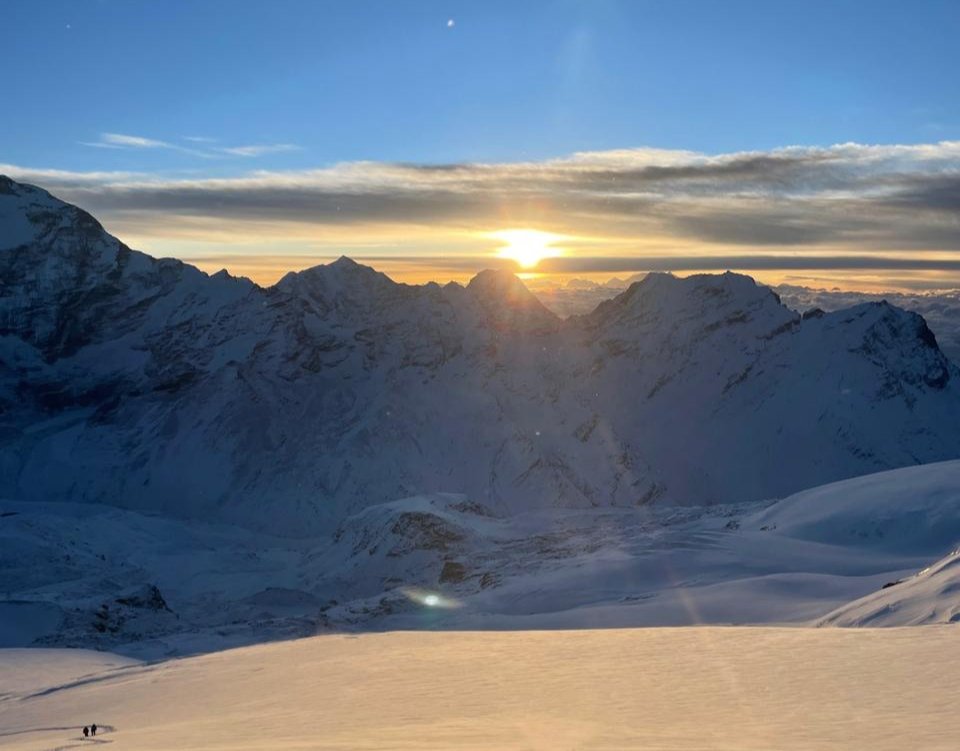
Mera Peak Climbing is a spectacular high-altitude adventure in the Mahalangur range of the Himalayas, located south of Mount Everest. Standing at 6,476 meters above sea level, it is recognized as the highest trekking peak in Nepal and remains one of the most popular choices among trekking climbers.
The best seasons for climbing Mera Peak are spring and autumn, when weather conditions are more stable and visibility is clear. The standard northern route involves glacier walking at high altitude, while the west and south faces are more technical and challenging, suitable for experienced climbers seeking greater difficulty.
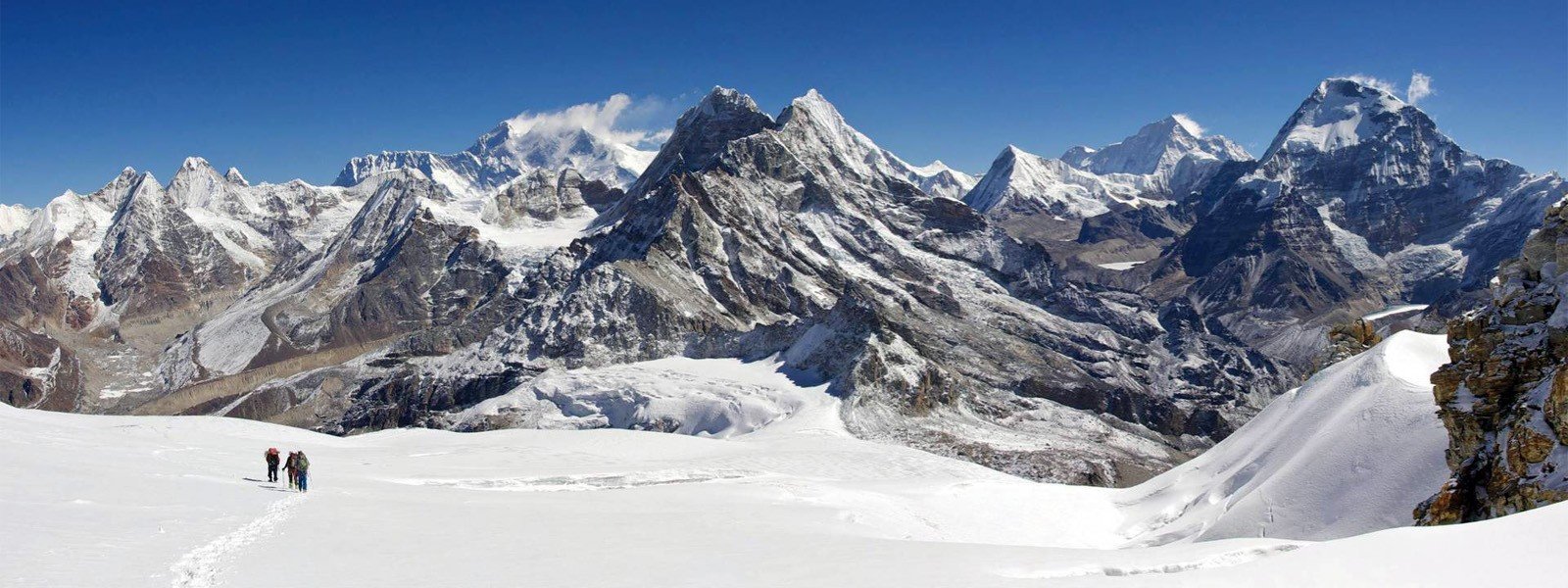
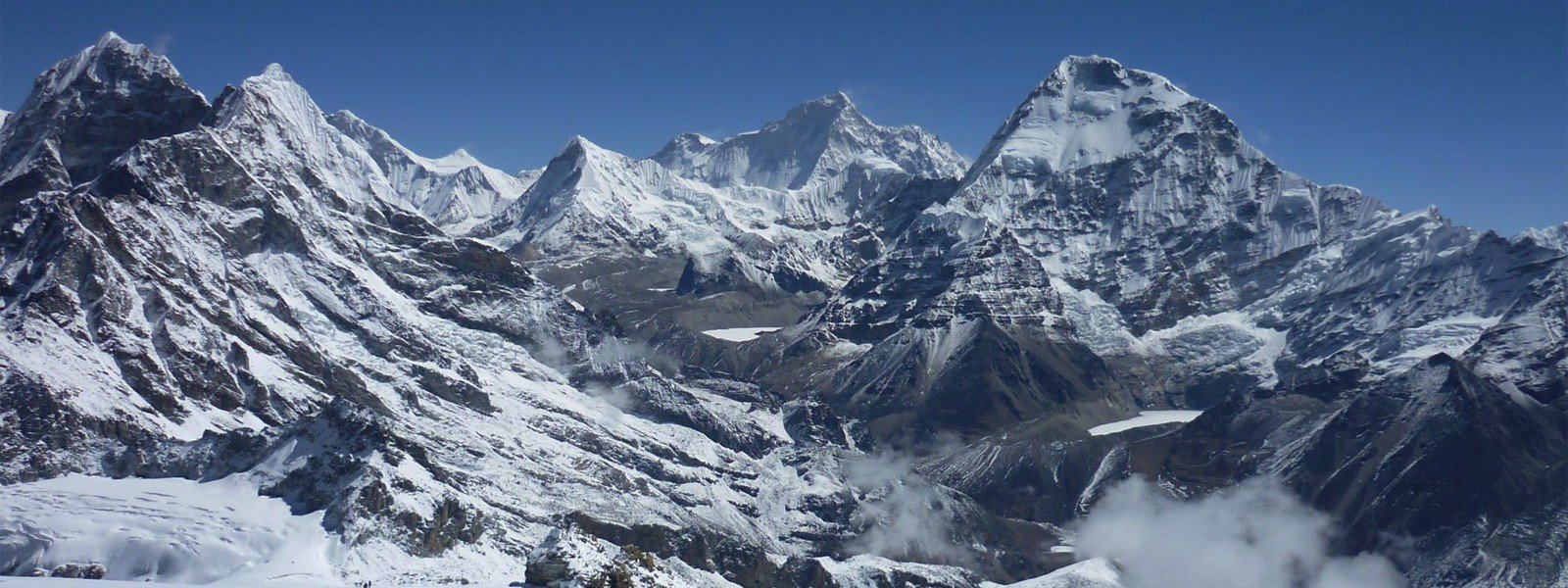
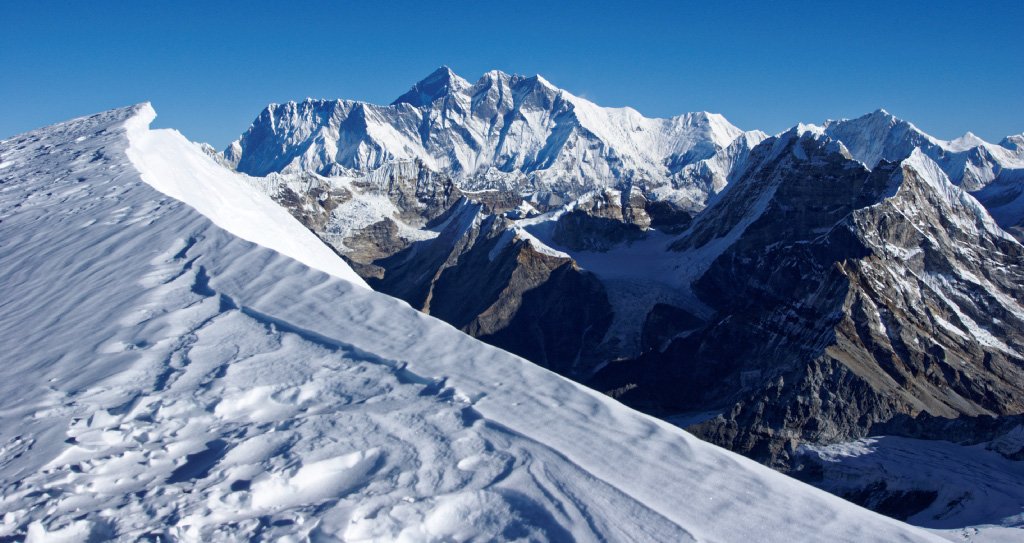
From the summit, climbers are rewarded with breathtaking 360-degree panoramic views of some of the world’s highest peaks, including Mount Everest (8,848m), Kanchenjunga (8,586m), Lhotse (8,516m), and Cho Oyu (8,201m), along with many other peaks of the Khumbu region.
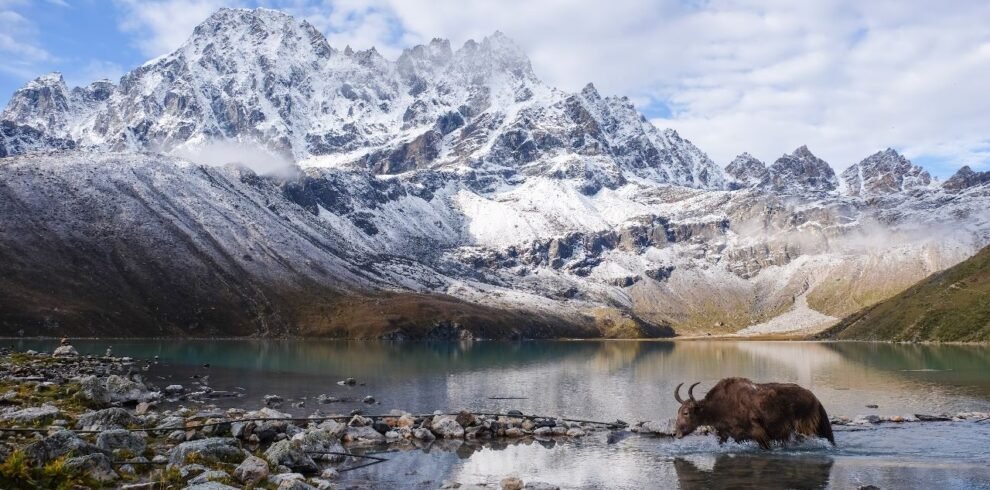
The journey typically begins with a scenic flight from Kathmandu to Lukla, followed by a trek through lush rhododendron forests, peaceful streams, and yak pastures. The route passes through the dramatic Hinku Valley, where climbers experience pristine Himalayan landscapes and warm hospitality from the local Sherpa communities.
This expedition not only offers a thrilling mountaineering challenge but also a rich cultural experience, allowing climbers to explore the traditions and lifestyle of the Sherpa people, who have preserved their Himalayan heritage for generations.
Trip Info
-
Hotel/ Camping
-
Autumn/ Spring
-
6456m
-
5/6 hours
Overview
Mera Peak Climbing (6,476m) is a remarkable high-altitude adventure in Nepal’s Everest region. Known as the highest trekking peak permitted for climbing in Nepal, it offers climbers an unforgettable journey to the summit of a majestic, snow-covered Himalayan giant.
From the top of Mera Peak, climbers are rewarded with breathtaking panoramic views of some of the world’s highest mountains, including Mount Everest, Kangtega, Ama Dablam, Mount Makalu, Lhotse, Nuptse, and many other stunning Himalayan peaks. This creates one of the most spectacular mountain skylines on Earth.
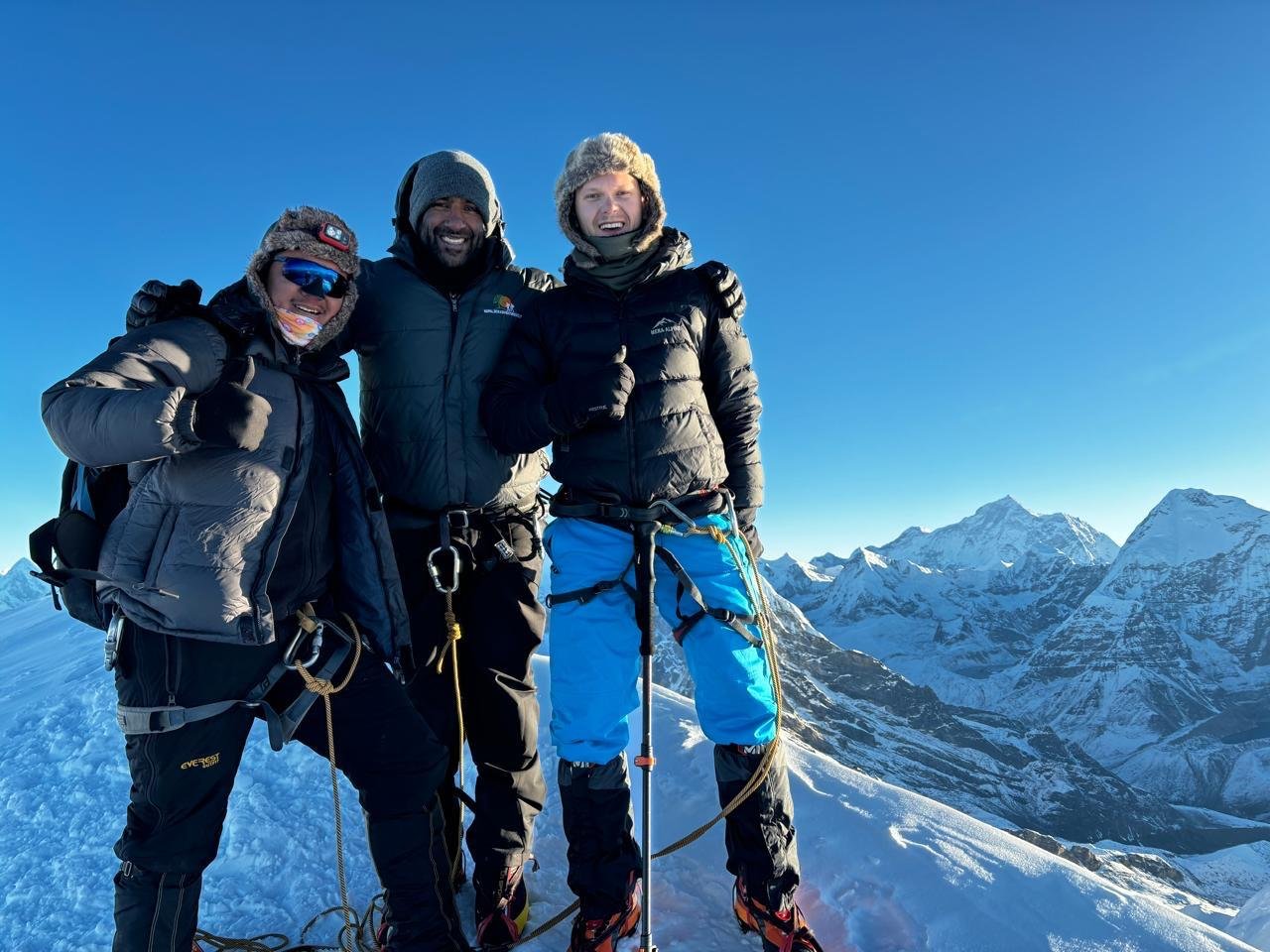
Although Mera Peak is considered a non-technical or moderately technical climb, it still demands good physical fitness due to the high altitude. The expedition is suitable for beginners with basic mountaineering preparation as well as experienced climbers. Professional and highly experienced guides support climbers throughout the journey to ensure safety and a rewarding experience.
The expedition route begins with a scenic 35-minute flight from Kathmandu to Lukla, followed by a trek through lush rhododendron forests, peaceful rivers, and traditional yak pastures. The trail leads into the remote and beautiful Hinku Valley, home to the warm and welcoming Sherpa communities.
Along the way, climbers experience authentic Himalayan culture, including the traditions, lifestyle, and hospitality of the local Sherpa people, whose heritage is deeply rooted in the mountains.
The best seasons for Mera Peak Climbing are March to May (spring) and September to November (autumn), when weather conditions are generally clear and stable. Accommodation is a mix of traditional teahouses and tented camps, depending on the route and itinerary.
The journey offers a diverse range of landscapes, from dense green forests to rugged icy terrain and high alpine ridges. While technically straightforward, the altitude makes it physically demanding, so prior training and preparation are strongly recommended.
Overall, Mera Peak is one of the most beautiful and rewarding trekking peaks in the Himalayas, offering climbers a perfect combination of adventure, natural beauty, and cultural immersion.