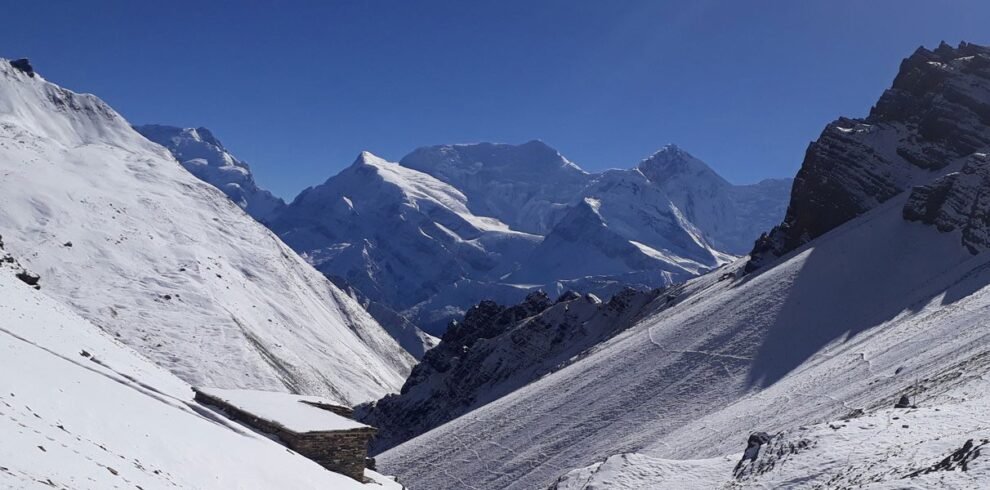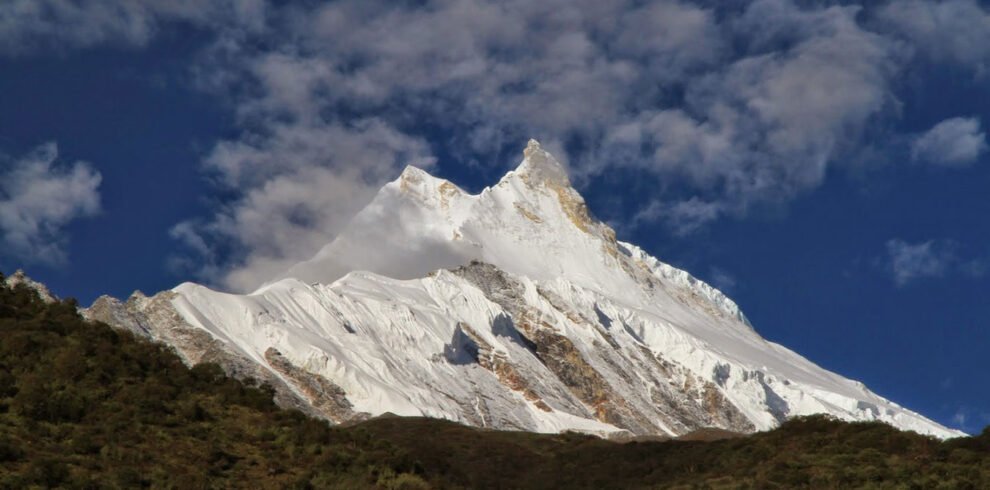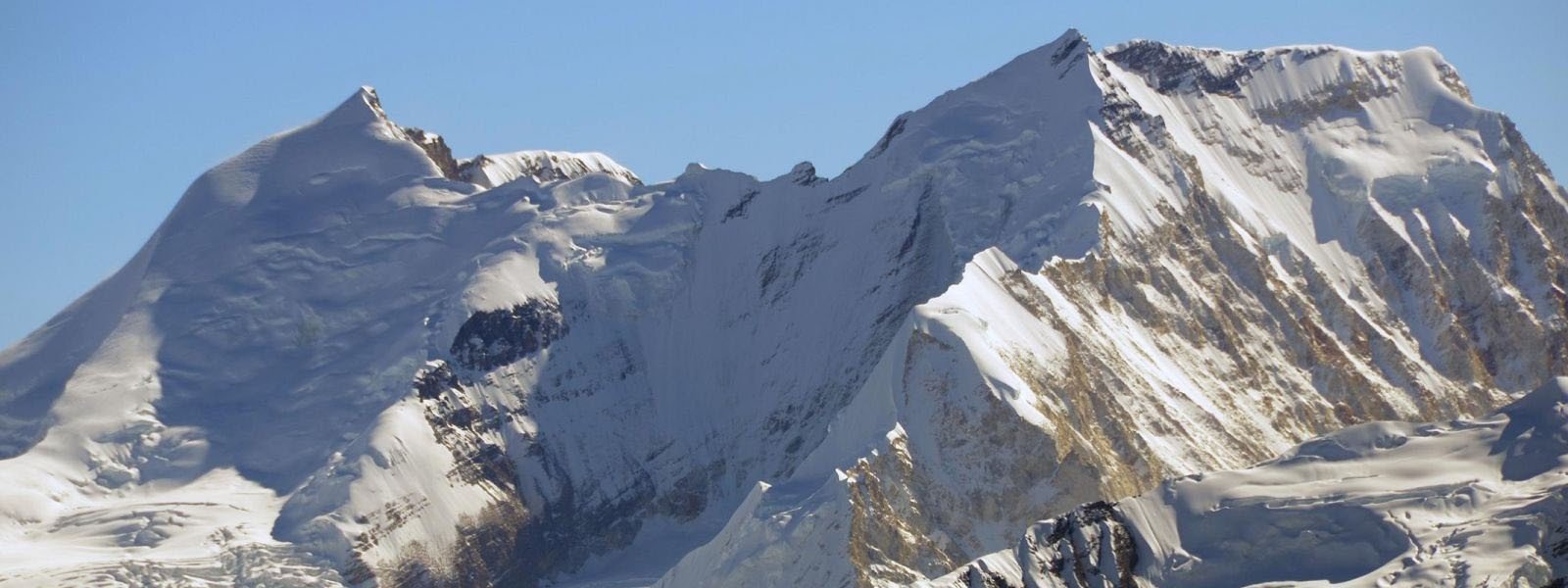
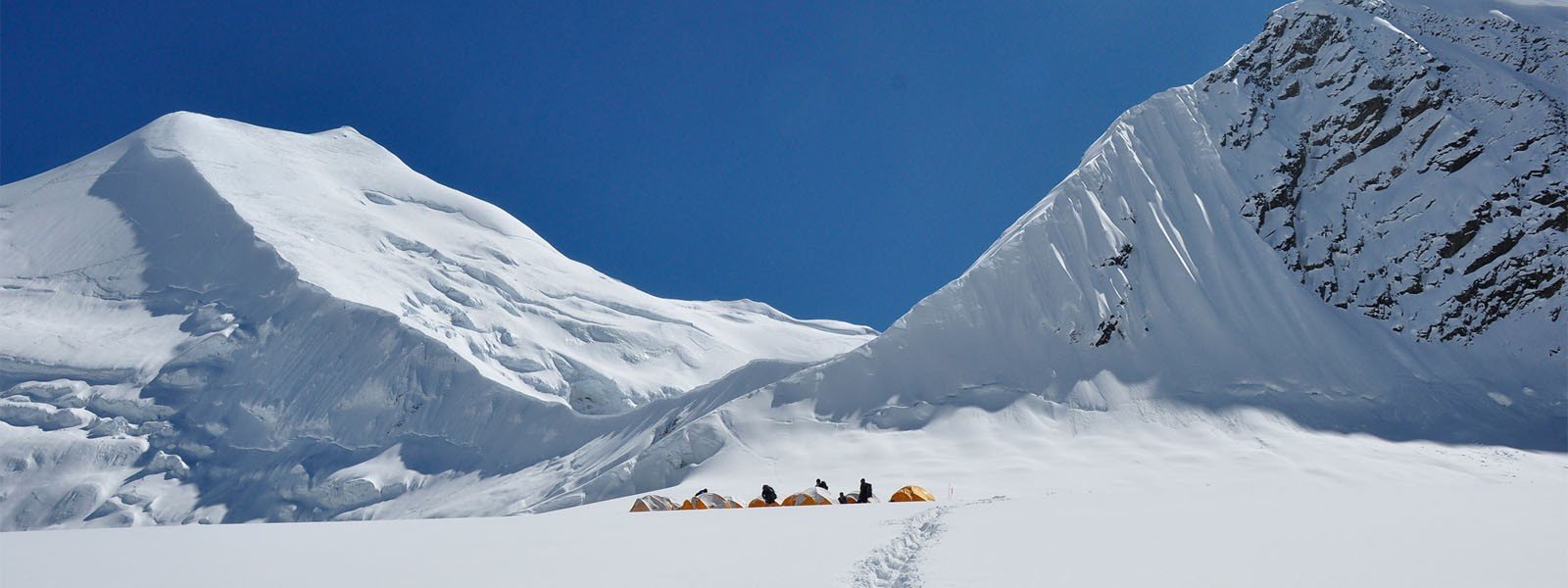
The Himlung Himal Expedition is an incredible journey to one of Nepal’s most accessible and rewarding 7,000-meter peaks. Rising to 7,126 meters, Himlung Himal lies in the remote Manaslu region between the Annapurna and Manaslu ranges, close to the Tibetan border. This expedition combines breathtaking Himalayan scenery, rich Tibetan-influenced culture, and a non-technical alpine climbing experience, making it an ideal objective for climbers looking to gain high-altitude mountaineering experience.
The adventure begins with a scenic trek through the remote valleys of the Annapurna and Nar-Phu region, one of Nepal’s least-visited Himalayan areas. Along the trail, trekkers pass through ancient Buddhist villages, rugged landscapes, and dramatic mountain terrain that reflect the deep Tibetan heritage of the region. The journey through Phu Valley offers a rare opportunity to experience untouched Himalayan culture far from the busy trekking routes of Nepal.
Himlung Himal is considered a perfect introduction to 7,000-meter expeditions because the climb is physically demanding but technically straightforward. The ascent mainly follows gradual snow slopes and low-angle glacier terrain, with climbers moving through a series of high camps before reaching the summit ridge. With proper acclimatization and preparation, the expedition provides an excellent chance for aspiring mountaineers to build confidence at extreme altitude while enjoying a true Himalayan climbing adventure.
From the summit, climbers are rewarded with spectacular panoramic views of the surrounding Himalayan giants, including peaks from the Annapurna and Manaslu ranges. Beyond the climb itself, the expedition is a remarkable journey into one of Nepal’s most remote and culturally rich mountain regions, offering both adventure and unforgettable wilderness experiences.
Trip Info
-
Hotel/ Camping
-
Autumn - Spring
-
7126m
-
5/6 hours
Overview
The Himlung Himal Expedition is an unforgettable journey to one of Nepal’s most beautiful and accessible 7,000-meter peaks. Rising to 7,126 meters, Himlung Himal is located in the remote Manaslu region between the Annapurna and Manaslu ranges, close to the Tibetan border. This expedition combines high-altitude mountaineering, spectacular Himalayan scenery, and the rich culture of Nepal’s hidden mountain valleys.
The adventure begins with a scenic drive from Kathmandu to Besisahar before trekking into the isolated Nar-Phu Valley, one of the least-visited regions in Nepal. The trail passes through traditional Himalayan villages such as Koto, Meta, Kyang, and the ancient settlement of Phu Gaon, where Tibetan Buddhist culture remains deeply preserved. Surrounded by prayer flags, grazing yaks, and dramatic mountain landscapes, the journey offers an authentic experience far away from the busy trekking routes of the Annapurna region.
The expedition route follows the peaceful Phu Valley toward Himlung Base Camp at 4,900 meters. From here, climbers spend several days acclimatizing and preparing for the summit push. Higher camps are established at approximately 5,450 meters, 6,000 meters, and 6,250 meters to allow proper altitude adaptation and flexibility for weather conditions.
Himlung Himal is considered an excellent introduction to 7,000-meter mountaineering because the climb is physically demanding but technically non-technical compared to many Himalayan peaks. The ascent mainly involves gradual snow slopes, glacier travel, and low-angle alpine terrain. Climbers progress through multiple camps before reaching the summit ridge, where breathtaking panoramic views of the Annapurna, Manaslu, and surrounding Himalayan ranges await.
This expedition is ideal for experienced trekkers and aspiring mountaineers looking to gain confidence at extreme altitude while experiencing a true Himalayan climbing adventure. The combination of remote wilderness, Tibetan-influenced culture, and a rewarding summit makes Himlung Himal one of Nepal’s most appealing expedition peaks.
Spring and autumn are considered the best seasons for climbing Himlung Himal, offering stable weather conditions and safer snow coverage for the ascent. The expedition also includes enough acclimatization and contingency days to maximize safety and increase summit success chances.
Itinerary
Your Himlung Himal Expedition begins with your arrival at Tribhuvan International Airport (1,400m / 4,590ft) in Kathmandu, the vibrant capital of Nepal. As you step off the plane, you are welcomed by the breathtaking views of the Himalayan foothills, setting the tone for the incredible journey ahead. Upon arrival, you will be transferred to your hotel, where you can relax and recover from your travels.
The drive through the lively streets of Kathmandu offers a fascinating introduction to the city, where ancient temples, bustling markets, and modern life come together in a unique blend of culture and tradition. If you arrive early, you may take some time to explore nearby areas, visit the vibrant Thamel district, or simply unwind at the hotel.
Later in the day, there will be a detailed expedition briefing covering the itinerary, logistics, safety procedures, and final preparations for the climb. Any last-minute gear checks or equipment arrangements can also be completed during this time to ensure you are fully prepared for the adventure ahead.
In the evening, enjoy a welcome dinner at a traditional Nepali restaurant, where you will experience authentic Nepalese cuisine while meeting your fellow climbers and expedition team members. It is a wonderful opportunity to share excitement and anticipation for the challenges and experiences that lie ahead.
After the briefing and dinner, return to your hotel for a comfortable overnight stay in Kathmandu, preparing for the thrilling days ahead.
The second day of your Himlung Himal Expedition is dedicated to final expedition preparations and briefing in Kathmandu. This important day ensures that every climber is fully equipped, informed, and mentally prepared for the challenges ahead. After breakfast at the hotel, you will attend a detailed expedition briefing led by experienced mountaineering guides and expedition staff. During the session, the team will review the complete itinerary, discuss potential challenges, explain altitude acclimatization strategies, and go over essential safety protocols for the climb. This is also the perfect opportunity to ask any last-minute questions and confirm all logistical details before heading into the remote Himlung Himal region.
Following the briefing, a thorough gear check will be conducted to ensure that all climbers have the necessary equipment for high-altitude mountaineering. Essential gear such as climbing boots, crampons, harnesses, ice axes, down suits, and personal protective equipment will be carefully inspected to confirm they meet expedition standards. If any items are missing or require replacement, Kathmandu offers a wide range of outdoor gear stores where high-quality equipment can be rented or purchased.
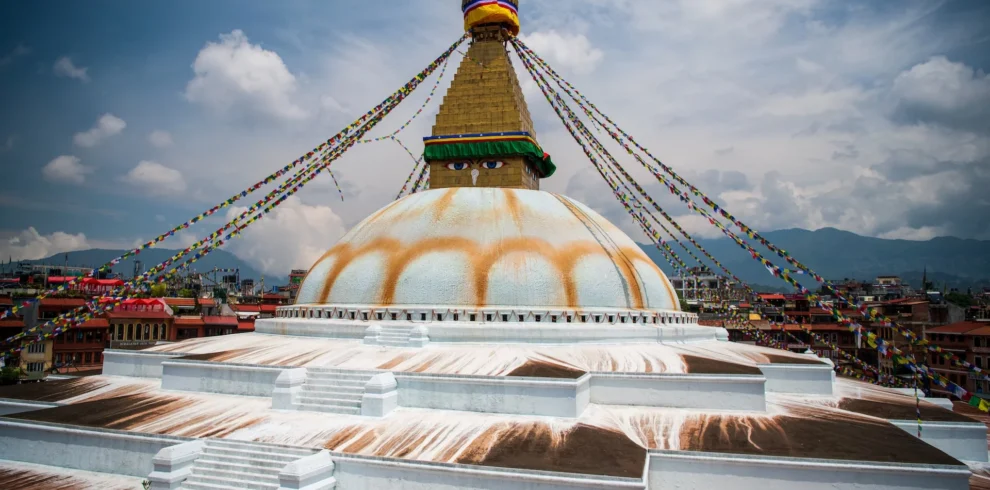
Once preparations are complete, you will have free time to explore Kathmandu, a city renowned for its rich history, culture, and spirituality. You may choose to visit famous UNESCO World Heritage Sites such as Swayambhunath, Pashupatinath Temple, Boudhanath Stupa, or Kathmandu Durbar Square, where centuries-old architecture and vibrant religious traditions create a truly captivating atmosphere. Alternatively, you may prefer to relax at the hotel and conserve energy for the expedition ahead.
In the evening, enjoy a welcome dinner featuring authentic Nepalese cuisine while getting to know your fellow climbers and expedition crew. It is an excellent opportunity to share expectations, build team spirit, and prepare mentally for the adventure to come.
After a productive and enjoyable day of preparation, return to your hotel for a restful overnight stay in Kathmandu before beginning the journey toward Himlung Himal.
The journey toward Himlung Himal officially begins as we leave the bustling city of Kathmandu and embark on a scenic drive to Besisahar (760m / 2,493ft), the gateway to the Annapurna and Manaslu regions. After an early breakfast, we set out on a long yet rewarding road trip through diverse landscapes, charming villages, and beautifully terraced farmlands. The drive offers a fascinating transition from the lively atmosphere of Kathmandu to the peaceful countryside, where the towering Himalayan peaks gradually begin to appear on the horizon.
As we travel farther from the valley, the road follows the Trishuli and Marshyangdi Rivers, two major Himalayan waterways that carve through deep gorges and lush hillsides. Along the route, we pass through traditional Nepalese villages where daily rural life unfolds before our eyes—farmers working in the fields, children playing beside the roads, and local markets filled with fresh produce and colorful goods. The scenery is enhanced by cascading waterfalls, suspension bridges, and rolling green hills that make the drive both scenic and memorable.
Depending on road and traffic conditions, the drive usually takes around 6 to 7 hours, with several short breaks for meals and refreshments along the way. As we approach Besisahar, the landscape becomes increasingly rugged, offering the first true glimpse of the remote Himalayan wilderness that awaits ahead.
Upon arrival, we check into a comfortable local lodge where we can relax and recover from the journey. Besisahar is a vibrant trekking hub and an important gateway for trekkers and climbers heading toward the Annapurna, Manaslu, and Nar-Phu regions. In the evening, you may explore the lively streets of the town, interact with fellow travelers, or simply rest before the trekking adventure begins.
Later, the expedition leader will provide a briefing about the next day’s journey and preparations for entering the remote Nar-Phu Valley. After a hearty dinner, we settle in for the night with growing excitement for the adventure ahead.
Overnight stay in Besisahar.
After a restful night in Besisahar (760m / 2,493ft), we continue our journey deeper into the Himalayas with an exciting drive to Koto (2,600m / 8,530ft). Today’s route follows the scenic Marshyangdi River Valley, leading us through some of Nepal’s most dramatic mountain landscapes and remote settlements. As we leave Besisahar behind, the scenery gradually transforms from terraced farmlands and rolling green hills into rugged cliffs, dense pine forests, and powerful glacial rivers rushing through deep gorges.
The road combines paved sections with rough off-road tracks, and in several places, a 4WD vehicle is necessary to navigate the rocky mountain terrain. Along the way, we pass through traditional Gurung and Tibetan-influenced villages, offering insight into the rich cultural heritage and mountain lifestyle of the region. Small settlements, prayer flags, stone houses, and ancient monasteries add to the charm of the journey.
Today’s drive is filled with spectacular scenery, including cascading waterfalls, steep canyon walls, suspension bridges, and breathtaking mountain vistas. One of the highlights of the day is entering the Manang District, a region famous for its high-altitude beauty and strong Tibetan Buddhist culture. As we gain elevation, the temperature becomes cooler, and the snow-capped peaks of the Annapurna and Manaslu ranges begin to dominate the skyline.
The final stretch toward Koto follows a dramatic mountain road carved into rocky cliffs above the Marshyangdi River Gorge, providing unforgettable panoramic views of the valley below. Upon arrival in Koto, a peaceful village located at the entrance of the remote Nar-Phu Valley, we check into a local teahouse for the night.
Koto serves as an important gateway before entering the isolated trails that lead toward Himlung Himal Base Camp. In the evening, the team prepares for the trekking phase of the expedition, checking supplies, permits, and equipment to ensure everything is ready for the days ahead. After enjoying a warm meal and spending some time exploring the quiet mountain village, we settle in for the night, excited to begin trekking deeper into the heart of the Himalayas.
Overnight stay in Koto.
Leaving behind the peaceful village of Koto (2,600m / 8,530ft), we begin an adventurous trek into the remote and culturally rich Nar-Phu Valley, heading toward Meta (3,560m / 11,680ft). This marks the true start of the Himlung Himal Expedition as we depart from the more traveled Annapurna trails and enter a secluded Himalayan wilderness filled with rugged landscapes, dramatic cliffs, and ancient Tibetan traditions.
The trail follows the course of the Phu Khola River, winding through dense pine forests, narrow canyons, and steep rocky terrain. Early in the trek, the path passes through a spectacular river-carved gorge, creating an exciting and adventurous atmosphere right from the beginning. Several suspension bridges decorated with colorful prayer flags lead us deeper into this spiritually significant region, where Tibetan Buddhist culture remains deeply preserved.
As the trek progresses, the lush forests gradually give way to barren high-altitude terrain, revealing the raw beauty of the Himalayas. Along the route, we encounter traditional Buddhist chortens, mani walls, and ancient cave dwellings that reflect the long history of Tibetan traders and monks who once traveled through these remote mountain paths. The strong Tibetan cultural influence is visible in the architecture, prayer stones, and scattered stone-built settlements that blend naturally into the dramatic surroundings.
The trail climbs steadily throughout the day, and with every step, the landscape becomes more isolated and breathtaking. The crisp mountain air and wide-open scenery enhance the feeling of adventure as towering cliffs and snow-covered peaks dominate the horizon.
After several hours of trekking, we arrive at Meta, a scenic highland settlement perched on a broad plateau surrounded by striking rock formations and panoramic mountain views. Meta serves as an important acclimatization stop for trekkers and climbers exploring the Nar-Phu region and heading toward Himlung Himal.
Upon arrival, we take time to rest, hydrate, and acclimatize while enjoying the peaceful atmosphere and magnificent Himalayan scenery. As evening falls, the tranquil setting of Meta offers a perfect opportunity to relax and reflect on the journey so far before continuing deeper into the remote mountains.
Overnight stay in Meta.
The trek from Meta to Kyang (3,840m / 12,600ft) leads deeper into the remote and rugged wilderness of the Nar-Phu Valley, offering a remarkable journey through one of Nepal’s most isolated Himalayan regions. Leaving the windswept plateau of Meta behind, the trail gradually ascends through barren hillsides, dramatic rock formations, and narrow mountain paths carved into steep cliffs.
As the landscape becomes increasingly wild and untouched, the route passes through ancient Tibetan-style settlements and abandoned stone shelters that reflect the region’s long-standing connection to Tibetan culture and trade. The scenery is both stark and breathtaking, with towering cliffs, vast open valleys, and distant snow-covered peaks creating a truly unforgettable trekking experience.
With the steady gain in altitude, the air becomes thinner and cooler, adding to the sense of adventure and remoteness. Along the trail, there are good chances of spotting Himalayan wildlife, including blue sheep grazing on rocky slopes and Himalayan griffons circling high above the valley.
After several hours of trekking through this dramatic high-altitude terrain, we arrive at Kyang, a peaceful grazing settlement surrounded by barren mountains and wide alpine landscapes. Once an important stop for Tibetan traders traveling through the region, Kyang still retains its traditional charm and timeless atmosphere. The small settlement, with its scattered stone houses and quiet surroundings, offers a true sense of isolation in the heart of the Himalayas.
Upon arrival, we take time to rest, acclimatize, and enjoy the tranquil mountain environment before continuing toward Himlung Himal Base Camp in the coming days. The serene setting and stunning Himalayan views make Kyang an ideal place to prepare for the higher elevations ahead.
Overnight stay in Kyang.
Leaving Kyang behind, the trek to Phu Gaon (3,900m / 12,795ft) takes us deeper into the remote wilderness of the Nar-Phu Valley, where the dramatic beauty of the high Himalayas becomes even more striking. The trail follows the winding course of the Phu Khola River, passing through narrow gorges, barren valleys, and ancient Tibetan Buddhist landmarks that reflect the region’s rich cultural heritage.
Along the route, we encounter traditional mani walls, prayer stones, and scattered chortens standing silently against the rugged mountain landscape. The terrain gradually becomes more rugged and exposed, with towering cliffs, windswept hillsides, and vast open valleys stretching toward the distant snow-capped peaks. The journey offers a strong sense of isolation and adventure, far from the busier trekking routes of Nepal.
As we continue higher into the valley, it is common to see yak caravans and local herders traveling along these ancient mountain trails, preserving a way of life that has remained unchanged for generations. The combination of dramatic scenery and authentic Himalayan culture makes this section of the trek especially memorable.
After several hours of trekking, we arrive at Phu Gaon, one of the most isolated and culturally preserved villages in Nepal. Perched on a hillside beneath towering cliffs, the village is a remarkable sight, with tightly clustered medieval-style stone houses overlooking the barren valley below. The traditional Tibetan-influenced culture remains deeply rooted here, offering a rare glimpse into a lifestyle largely untouched by modern development.
Surrounded by spectacular Himalayan scenery and with the majestic Himlung Himal visible in the distance, Phu Gaon serves as an important acclimatization stop before moving toward the higher elevations of the expedition. Upon arrival, we take time to rest, explore the ancient village, and absorb the peaceful atmosphere of this remarkable mountain settlement.
Overnight stay in Phu Gaon.
The trek from Phu Gaon to Himlung Base Camp (4,900m / 16,075ft) marks a major step deeper into the high Himalayas, as the landscape becomes more remote, rugged, and alpine in nature. Leaving behind the last permanent settlement of the region, we gradually enter a world of glacial valleys, rocky moraines, and towering snow-covered peaks that define the upper reaches of the Himlung Himal region.
The trail follows a challenging yet rewarding route across barren terrain shaped by ancient glaciers and icy mountain streams. As we gain altitude, vegetation becomes scarce, replaced by dramatic rocky ridges, scattered boulders, and vast open landscapes stretching toward the towering Himalayan skyline. The thin mountain air requires a slow and steady pace, making acclimatization increasingly important as we move higher into the expedition.
Despite the demanding ascent, the scenery is truly spectacular. Massive snow-capped peaks rise above the valley, while the untouched wilderness creates a strong sense of isolation and adventure. Along the way, there are chances to spot Himalayan wildlife such as blue sheep grazing on rocky slopes and Himalayan marmots living among the alpine terrain.
After several hours of trekking through this rugged high-altitude environment, we finally arrive at Himlung Base Camp, the main staging point for the climbing phase of the expedition. Surrounded by towering mountains and glacial landscapes, the base camp offers breathtaking panoramic views of Himlung Himal and neighboring Himalayan peaks.
Reaching base camp is a rewarding milestone and an exciting moment for the entire team. Here, we settle into camp, rest, and begin the important process of acclimatization and preparation for the upcoming ascent. The following days will focus on climbing training, route planning, and final preparations as we move closer to the summit attempt.
Overnight stay at Himlung Base Camp.
From Day 09 to Day 21, the expedition enters the most demanding and rewarding phase of the journey—the ascent of Himlung Himal (7,126m / 23,380ft). This period is dedicated to acclimatization, rotation climbs, technical preparation, and the final summit push. After establishing ourselves at Base Camp (4,900m / 16,075ft), the climbing team follows a carefully planned schedule designed to help the body gradually adapt to the extreme altitude and harsh alpine environment.
The acclimatization process involves multiple rotation climbs to higher camps before descending back to lower elevations for recovery. These rotations are essential for increasing the chances of a safe and successful summit attempt. During this phase, climbers establish and use several high camps along the mountain, moving progressively higher while monitoring weather conditions and physical condition closely.
The climbing route features a combination of steep snow slopes, glacial terrain, icy ridges, and technical sections that require strong endurance, proper mountaineering skills, and teamwork. Fixed ropes are used on more challenging sections to ensure safety during the ascent. Although physically demanding, the route rewards climbers with extraordinary views of the surrounding Himalayan giants, including Annapurna, Manaslu, and the vast Tibetan Plateau stretching into the distance.
Once the team is fully acclimatized and weather conditions become favorable, the final summit push begins. Typically starting in the early hours before dawn, the ascent toward the summit demands determination, focus, and careful pacing in the thin high-altitude air. The upper slopes can be challenging, with freezing temperatures and strong winds adding to the intensity of the climb.
Reaching the summit of Himlung Himal is a truly unforgettable achievement. Standing at 7,126 meters, climbers are rewarded with breathtaking 360-degree panoramic views of the Himalayan range, surrounded by countless snow-covered peaks and dramatic mountain landscapes.
After celebrating the successful summit, the descent is carried out carefully and steadily back through the high camps to Base Camp. This marks the successful completion of the most challenging and significant phase of the Himlung Himal Expedition.
Overnight stays at various high camps and Base Camp during the climbing period.
After completing the summit phase of the expedition, we begin the descent from Himlung Base Camp (4,900m / 16,075ft) back toward Phu Gaon (3,900m / 12,795ft). This stage of the journey provides a welcome return to lower elevations after the physically demanding days spent high on the mountain. Retracing our route through the rugged Himalayan terrain, we pass once again through glacial moraines, rocky ridges, and wide alpine valleys shaped by ice and wind.
Although descending is generally less strenuous than climbing, careful footing and steady navigation remain essential, particularly on loose rocky sections and icy trails near the higher elevations. As we gradually lose altitude, the increase in oxygen becomes immediately noticeable, bringing a renewed sense of energy and relief after the extreme conditions of Base Camp and the upper mountain.
The surrounding scenery remains spectacular throughout the descent, with dramatic mountain landscapes, towering snow-covered peaks, and vast open valleys continuing to define the journey. The quieter pace of the return trek also offers time to reflect on the incredible achievement of climbing Himlung Himal and the unforgettable experiences shared during the expedition.
Upon arriving back in Phu Gaon, the atmosphere feels welcoming and comforting after days spent in the harsh alpine environment. The traditional stone houses, ancient Tibetan-influenced culture, and warm hospitality of the local villagers create a peaceful setting to rest and recover. This remote Himalayan village provides an ideal place to relax, celebrate the success of the expedition, and prepare for the journey back toward lower regions.
Overnight stay in Phu Gaon.
The trek from Phu Gaon (3,900m / 12,795ft) to Meta (3,560m / 11,680ft) continues the descent through the remote and culturally rich landscapes of the Nar-Phu Valley. Following a familiar yet equally rewarding trail, the journey leads through dramatic mountain scenery shaped by rugged cliffs, rocky gorges, windswept plateaus, and scattered alpine pastures.
As we descend gradually, the harsh high-altitude terrain begins to soften slightly, though the trail still features steep sections, loose scree, and uneven rocky paths that require careful footing. Along the route, ancient mani walls, fluttering prayer flags, and traditional chortens stand as reminders of the region’s deep-rooted Tibetan Buddhist heritage and centuries-old trading history.
The spectacular Himalayan scenery continues throughout the day, with towering cliffs rising above the valley and vast open landscapes stretching into the distance. Wildlife sightings are still possible along the trail, including blue sheep grazing on steep slopes and Himalayan griffons soaring high overhead.
With the gradual loss of altitude, the air becomes noticeably warmer and richer in oxygen, bringing a welcome sense of comfort and renewed energy after the demanding days spent near Himlung Base Camp. The descent also offers an opportunity to reflect on the expedition and appreciate the remote beauty of the Nar-Phu region from a different perspective.
Upon reaching Meta, we are welcomed once again by its peaceful setting and wide-open highland scenery. Surrounded by dramatic rock formations and traditional stone-built shelters, Meta provides a comfortable and relaxing resting point before continuing the journey back toward lower elevations.
Overnight stay in Meta.
The trek from Meta (3,560m / 11,680ft) to Koto (2,600m / 8,530ft) marks the final stage of the journey through the remote Nar-Phu Valley as we descend toward lower elevations and more temperate landscapes. Leaving behind the high alpine terrain, the trail gradually winds through rugged hillsides, deep river gorges, and dense pine and juniper forests, offering a striking contrast to the barren wilderness of the upper Himalayas.
As we continue descending, the air becomes warmer and richer in oxygen, bringing renewed energy and comfort after days spent at higher altitudes. The changing landscape is accompanied by increasingly lush vegetation, flowing streams, and forested mountain slopes that create a refreshing atmosphere along the trail.
The route follows sections of the Marsyangdi River Valley, crossing several suspension bridges draped with colorful prayer flags and passing small teahouses nestled among the hills. These peaceful stops provide opportunities to rest and enjoy the final views of the hidden valleys and dramatic mountain scenery that define the Nar-Phu region.
Throughout the trek, occasional glimpses of Annapurna II and Lamjung Himal appear through the forested ridges, adding even more beauty to the descent. The combination of towering peaks, dense forests, and rushing rivers makes this section of the journey especially scenic and rewarding.
Upon arriving in Koto, a quiet village near Chame and the entrance to the Nar-Phu Valley, we officially complete the remote trekking portion of the expedition. Returning to lower elevations also means access to more comfortable facilities and a familiar trekking atmosphere, providing a well-deserved sense of accomplishment after the challenging adventure through one of Nepal’s most isolated Himalayan regions.
Overnight stay in Koto.
The journey from Koto back to Kathmandu marks the final stage of the Himlung Himal Expedition, offering a scenic drive from the remote Himalayan valleys to the bustling capital city. The day begins with a drive from Koto toward Besisahar (760m / 2,493ft), following winding mountain roads alongside the beautiful Marsyangdi River.
As we descend from the higher elevations, the landscape gradually transforms from rugged alpine terrain and pine forests into green hillsides, terraced farmlands, and vibrant rural settlements. The changing scenery highlights the incredible geographical and cultural diversity of Nepal’s mid-hill region. Along the route, we pass traditional villages, waterfalls, suspension bridges, and small roadside markets that provide glimpses into everyday Nepalese life.
Upon reaching Besisahar, the road connects with the main highway leading back to Kathmandu (1,400m / 4,590ft). The drive continues through scenic countryside landscapes, river valleys, and busy local towns, making the long journey both enjoyable and memorable. Throughout the trip, there are opportunities to stop for refreshments and appreciate the final views of the Himalayan foothills.
After arriving in Kathmandu, we transfer to a comfortable hotel where a well-deserved rest awaits following the physically demanding yet incredibly rewarding Himlung Himal Expedition. The evening is free to relax, explore the vibrant streets of Kathmandu, enjoy local cuisine, or celebrate the successful completion of this remarkable Himalayan adventure.
Overnight stay in Kathmandu.
As the Himlung Himal Expedition comes to an end, it is time to bid farewell to Kathmandu and the majestic Himalayas. After days of trekking through remote mountain valleys, experiencing rich Tibetan-influenced culture, and overcoming the challenges of high-altitude climbing, the journey concludes with unforgettable memories and a remarkable sense of achievement.
Depending on your flight schedule, you may have some free time to explore Kathmandu, enjoy last-minute sightseeing, shop for souvenirs, or simply relax at your hotel after the expedition. The vibrant atmosphere of the city offers a final opportunity to experience Nepal’s unique culture before departure.
At the appropriate time, a representative will transfer you to Tribhuvan International Airport for your onward journey, ensuring a smooth and comfortable departure process. As your flight takes off above the Kathmandu Valley, the distant Himalayan peaks serve as a lasting reminder of the incredible adventure you have completed.
Although the expedition officially ends here, the memories of Himlung Himal, the remote landscapes of the Nar-Phu Valley, and the experience of standing among the world’s highest mountains will remain with you for a lifetime.
Includes/Excludes
Cost Includes
- Roundtrip private ground transportation: Kathmandu – Besisahar – Koto and Koto – Kathmandu
- International and domestic airport pick-up and drop-off transfers
- 3 nights hotel accommodation in Kathmandu with breakfast
- Accommodation during the trek in the best available mountain lodges and teahouses
- Tented accommodation at Base Camp and all higher camps
- Full board meals (breakfast, lunch, and dinner) during the trekking and climbing period
- Freshly prepared meals at Base Camp including Continental, Nepali, Indian, and Chinese cuisine with tea, coffee, and hot drinks
- EPI gas, burners, cooking pots, and high-altitude food supplies for members and climbing staff above Base Camp
- Energy snacks, fresh fruits, juices, drinks, and nutritional bars during the expedition
- Himlung Himal climbing permit and all necessary expedition paperwork
- All trekking permits including National Park Permit, TIMS Card, and entry fees
- Route fixing charges and Sherpa carry bonus
- Garbage disposal fees and environmental management charges
- Experienced and professional climbing Sherpa guides
- Government Liaison Officer including salary, food, accommodation, flights, and equipment
- Porter service for carrying personal baggage up to Base Camp and return
- Well-trained Base Camp staff including cooks and support crew
- Insurance, wages, flights, equipment, and allowances for climbing Sherpas and support staff
- Emergency oxygen cylinders, masks, and regulators available at Base Camp
- Kitchen, dining, toilet, storage, and sleeping tents at Base Camp and higher camps
- Transportation of expedition equipment and food supplies from Kathmandu to Koto and from Koto to Base Camp by vehicle, porter, or yak
- Technical climbing training at Base Camp including ladder crossing, ice wall climbing, ascending, and descending techniques
- Central group climbing equipment including ropes, snow bars, ice screws, shovels, and other essential gear
- Walkie-talkies for communication between Base Camp and higher camps
- Expedition duffle bag for each member
- Welcome dinner and farewell dinner in Kathmandu
- Certificate of Achievement issued by the Ministry of Culture, Tourism, and Civil Aviation (MoCTCA) upon successful completion of the expedition
- Weather forecast reports during the climbing period
- Gamma Bag / Portable Altitude Chamber (PAC) for emergency use
- Comprehensive first aid medical kit available throughout the expedition
Cost Excludes
- International airfare to and from Nepal
- Nepal entry visa fees
- Personal travel, medical, and emergency rescue insurance
- Personal trekking and climbing equipment
- Drone permit and special filming permits if required
- Internet services, alcoholic beverages, bottled/mineral water, and hot showers at teahouses
- Additional hotel accommodation in Kathmandu due to early arrival, late departure, or itinerary changes
- Summit bonus for climbing Sherpa guides (USD 800 per member)
- Tips for Base Camp cooks and support staff (USD 200 recommended)
- Personal expenses such as laundry, snacks, charging devices, and extra beverages
- Any other services not specifically mentioned under “Cost Includes”