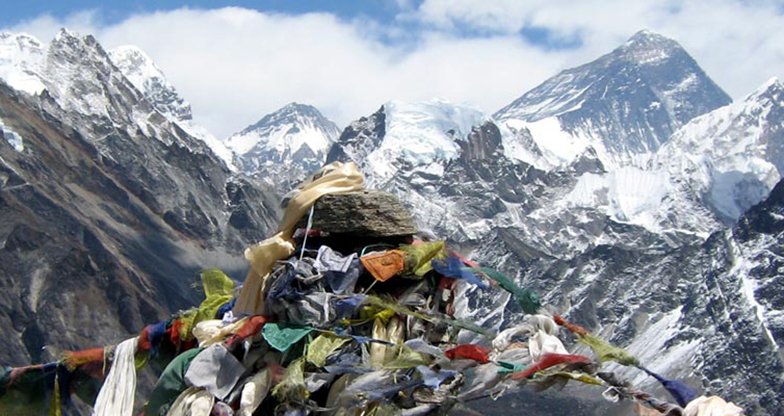
The Everest Three Passes Trek is one of Nepal’s most challenging and rewarding trekking routes, crossing three high mountain passes—Renjo La, Cho La, and Kongma La—while also visiting the iconic Everest Base Camp. Designed for experienced and highly determined trekkers, this journey offers an unforgettable combination of remote landscapes, high-altitude adventure, and breathtaking Himalayan views.
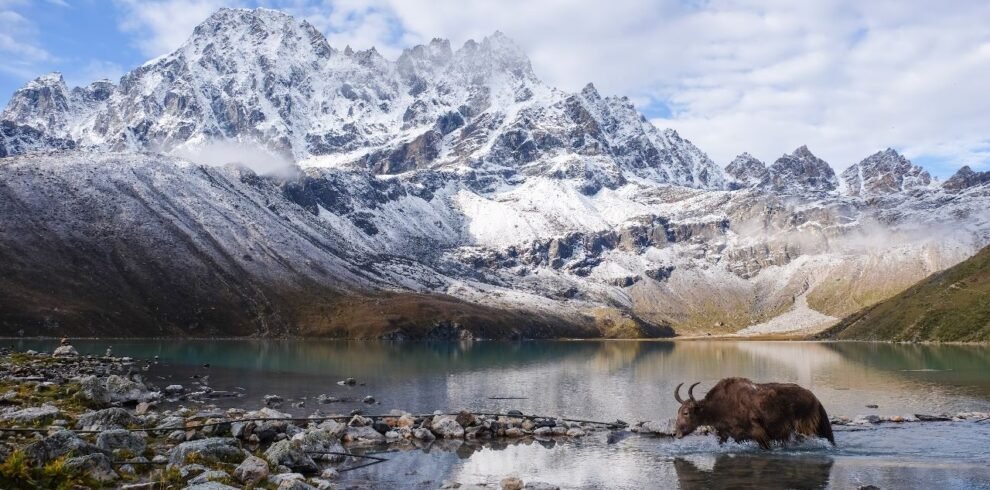
The trek typically begins in the Bhote Koshi Valley and first crosses Renjo La, leading into the beautiful Gokyo Valley. Here, trekkers are rewarded with the stunning emerald waters of the Gokyo Lakes and panoramic views of surrounding peaks.
From Gokyo, the trail continues over Cho La, a demanding high pass that connects the Gokyo region with the Khumbu Valley. After crossing, the route gradually approaches Everest Base Camp via the classic Everest trekking route, passing through dramatic glacier landscapes and traditional Sherpa villages.
The final major challenge is Kongma La, the highest and most remote of the three passes. Crossing it leads into the Imja Khola Valley, completing the full circuit of this extraordinary trek.
Along the way, trekkers often climb iconic viewpoints such as Gokyo Ri, Kala Patthar, and Chukhung Ri. From Gokyo Ri (5,360m), you can enjoy sweeping Himalayan panoramas featuring Mount Everest, Lhotse, Cho Oyu, Makalu, Cholatse, and Taboche.
The Everest Three Passes Trek is a physically demanding journey that combines glaciers, high mountain passes, alpine valleys, and remote trails, making it one of the ultimate trekking experiences in the Himalayas.
Trip Info
-
Hotel/ Camping
-
Autumn/ Spring
-
5564m
-
5/6 hours
Overview
The Everest Three Passes Trek is one of the most demanding and rewarding trekking routes in Nepal. It crosses three high Himalayan passes—Kongma La, Cho La, and Renjo La—and also includes a visit to the iconic Everest Base Camp. Considered one of the toughest trekking routes in the Everest region, it is best suited for experienced and highly motivated trekkers.
The journey usually begins in the Bhote Koshi Valley, where the trail gradually ascends toward Renjo La. After crossing this pass, trekkers enter the stunning Gokyo Valley, known for its turquoise lakes and dramatic mountain scenery.
From Gokyo, the route continues over Cho La, a challenging glacier pass that connects the Gokyo region with the main Everest trail. After this crossing, the trek leads toward Everest Base Camp via the Dudh Koshi Valley, passing through traditional Sherpa villages and rugged alpine landscapes.
The final major pass is Kongma La, the highest and most remote of the three. Crossing it completes the full circuit and brings trekkers into the Imja Khola Valley, offering a true sense of high-altitude adventure.
Along the way, trekkers often ascend famous viewpoints such as Gokyo Ri, Kala Patthar, and Chukhung Ri. From Gokyo Ri (5,360m), you are rewarded with breathtaking panoramic views of Everest, Lhotse, Cho Oyu, Makalu, Cholatse, and Taboche.
This trek typically takes around 18 days and is considered the most challenging variation of the Everest Base Camp trekking routes. It involves remote trails, high-altitude passes, glaciers, and diverse Himalayan landscapes, making it ideal for trekkers seeking a true endurance adventure.
During the journey, you may also fly from Kathmandu to Lukla, the gateway to the Everest region, and pass through famous Sherpa settlements such as Namche Bazaar. This vibrant mountain town offers a glimpse into local culture, expedition life, and the unique lifestyle of the Khumbu region.
The Everest Three Passes Trek is not only a physical challenge but also a deeply rewarding experience—offering cultural immersion, dramatic scenery, and a profound sense of achievement in the heart of the Himalayas.
Itinerary
Today you arrive in the historic city of Kathmandu, the gateway to Himalayan expeditions, including the Everest North Side Expedition. After meeting your trekking team at the hotel, you will take part in a detailed briefing session led by your expedition leader, covering the journey ahead, safety guidelines, and preparation for the high-altitude adventure.
This day is dedicated to final preparation before the expedition begins. It is also a great opportunity to adjust to the environment, rest after your arrival, and ensure that all gear and logistics are properly in place. Our experienced team will carefully check your equipment and advise you if any additional gear needs to be purchased or rented for the Everest North Side Expedition.
If you arrive a day earlier, you can take time to explore Kathmandu at your own pace. The city is full of cultural charm, ancient heritage sites, and vibrant local markets. Walking through its lively streets, you will experience a mix of rich aromas, colorful shops, traditional architecture, and the energetic rhythm of local life, all set against the backdrop of surrounding green hills.
After the briefing, the rest of the day is free for you to relax or explore further. Kathmandu offers a perfect introduction to Nepal’s culture before heading toward the remote Himalayan region. This preparation day ensures that you are fully ready—mentally and physically—for the challenging and rewarding Everest North Side Expedition.
Your journey begins early in the morning in Kathmandu as you head to the airport for a scenic flight to Lukla (2,853m/9,360ft), the main gateway to the Khumbu region and the starting point of the Everest Three Passes Trek. This short mountain flight is one of the most thrilling and scenic in the world, offering incredible aerial views of the Kathmandu Valley and the towering Himalayan range. On clear days, you may even catch your first breathtaking glimpse of Mount Everest rising above the clouds.
After landing at the famous Lukla airstrip, the trek officially begins. From here, the trail descends gradually toward Phakding (2,600m/8,500ft), or depending on the pace and conditions, continues further to Monjo (2,850m/9,350ft). Both settlements are located along the beautiful Dudh Koshi River, which flows through the heart of the Everest region.
As you walk along the well-marked Himalayan trails, you will pass through traditional Sherpa villages, cross suspension bridges decorated with prayer flags, and experience the natural beauty and peaceful rhythm of mountain life. These villages serve as important resting points for trekkers, offering comfortable tea houses and a chance to begin acclimatizing to the altitude.
With the sound of the river below and the fresh mountain air around you, your Everest Three Passes Trek truly begins, marking the start of an unforgettable Himalayan adventure.
Today’s trek follows a long and scenic trail alongside the Dudh Koshi River, passing through beautiful Himalayan villages where trekkers are often warmly greeted by friendly locals and playful children. The path winds through lush landscapes and gradually climbs higher into the Everest region, offering a true taste of mountain life in Nepal.
Along the way, you will cross two thrilling suspension bridges decorated with prayer flags before reaching Monjo, the entry point to Sagarmatha National Park. This protected UNESCO-listed area is rich in biodiversity and marks the official entrance into the Everest region, where the surrounding scenery becomes increasingly dramatic and alpine.
From Monjo, the trail continues toward a high suspension bridge spanning the confluence of the Dudh Koshi and Bhote Koshi rivers—one of the most iconic crossings on the entire trek. After this point, the route becomes steeper as you begin the challenging ascent toward Namche.
A steady two-hour climb up the famous Namche Hill leads you to Namche Bazaar (3,440m/11,286ft), the vibrant heart of the Khumbu region. This bustling mountain town is a key trading hub where Tibetan merchants historically crossed into Nepal to exchange goods, and even today, its market is filled with local handicrafts, textiles, and traditional artifacts.
Namche Bazaar is also one of the best places to experience the culture and energy of the Everest region, with cafes, shops, and stunning viewpoints overlooking the surrounding peaks. From here, the dramatic mountains of Kangtega and Thamserku rise prominently above the valley, creating an unforgettable Himalayan backdrop.
With its lively atmosphere, cultural richness, and breathtaking scenery, Namche Bazaar is a highlight of the Everest Three Passes Trek and an important acclimatization stop on the journey deeper into the Khumbu.
Today is an important acclimatization day on your Everest Three Passes Trek, designed to help your body adjust to the increasing altitude and thinner air. Following the “climb high, sleep low” principle, you will gradually gain elevation during the day and return to a lower altitude to rest, allowing safer and more effective acclimatization. A slow pace, proper hydration, and mindful trekking are essential to ensure a smooth and comfortable journey as you move deeper into the Khumbu region.
From the trails around Namche Bazaar, the hike rewards you with incredible panoramic views of some of the most iconic Himalayan peaks. You may see towering summits such as Kwangde, Thamserku, and Kangtega, each rising dramatically above the surrounding valleys and forests. As you continue higher, the scenery becomes even more breathtaking, revealing a wider Himalayan panorama.
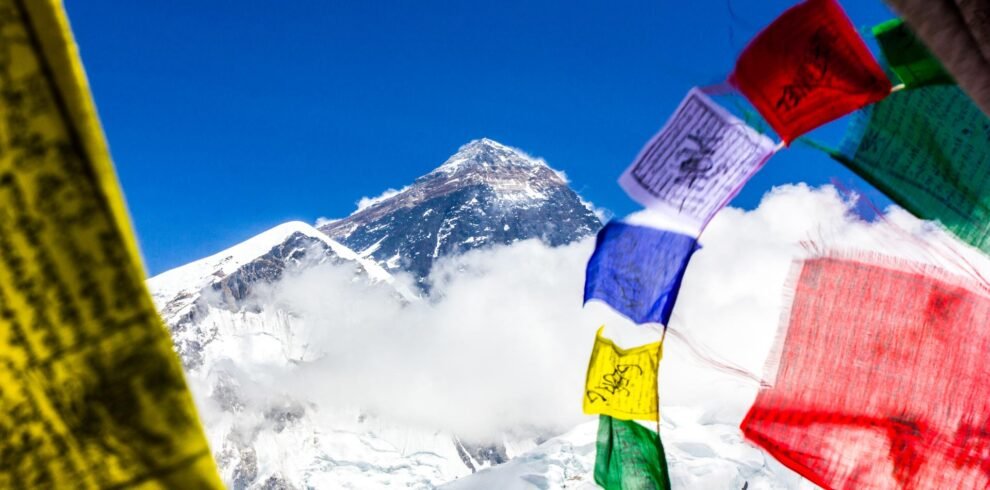
At higher viewpoints, the landscape opens up to reveal legendary giants including Lhotse, Nuptse, and the stunning pyramid-shaped Ama Dablam. The highlight of the day is the first truly close view of the world’s highest peak, Mount Everest, standing at 8,848.86 meters and dominating the skyline in all its glory.
This acclimatization hike not only prepares your body for higher elevations but also offers one of the most unforgettable mountain experiences of the entire Everest Three Passes Trek. The combination of careful altitude gain and spectacular scenery makes this a key and memorable stage of your adventure.
Leaving Namche Bazaar, the trail joins the classic Everest Base Camp route as it winds along the edge of the valley above the Dudh Koshi River. Early in the day, you are treated to spectacular views of the surrounding Himalayan giants, including Mount Everest, Nuptse, Lhotse, and the iconic Ama Dablam, each rising dramatically above the Khumbu landscape.
The path gradually descends through forested sections and traditional Sherpa villages, passing welcoming teahouses along the way before reaching the river valley where you stop for a well-earned lunch beside the Dudh Koshi. After the break, the trail begins a demanding ascent toward Tengboche, following a steep, zig-zagging path that tests your endurance but rewards you with ever-expanding mountain views as you climb higher.
After approximately two hours of steady uphill trekking, you arrive at Tengboche, one of the most spiritually significant locations in the Everest region. The village is home to the famous Tengboche Monastery, a beautifully rebuilt Buddhist monastery surrounded by dramatic Himalayan scenery. Here, trekkers often take time to explore the monastery, observe the peaceful prayer rituals, and enjoy the serene atmosphere.
Spending the night in Tengboche offers a memorable combination of cultural richness and natural beauty, with panoramic mountain views creating an unforgettable setting for your journey through the Everest region.
Today’s trek leads you from Tengboche to Dingboche, passing through a beautiful combination of forest trails, river crossings, and wide Himalayan valleys. The journey begins with a gentle descent through rhododendron and pine forest before crossing a suspension bridge just beyond Tengboche, continuing deeper into the Khumbu region.
As you move along the trail, about an hour of walking brings you to the traditional village of Pangboche, one of the best viewpoints for the stunning peak of Ama Dablam. From here, the route follows the contour of the valley, gradually opening into wider alpine scenery as you enter the Imja Valley.
The trail then crosses the river again and begins a steady ascent toward higher altitude terrain, eventually reaching Dingboche (4,410m/14,465ft). Surrounded by dramatic snow-capped peaks and rugged landscapes, Dingboche offers one of the most striking mountain settings on the entire trek.
Despite its remote location, Dingboche has a welcoming atmosphere with teahouses, lodges, and small bakeries that provide a comfortable rest stop for trekkers. Some basic facilities, including limited internet access, are also available in the village.
This is an important acclimatization stop on your Everest Three Passes journey. Staying well-hydrated, moving at a relaxed pace, and allowing your body to adjust to the altitude are essential for a safe and enjoyable experience as you prepare for the higher sections of the trek ahead.
Acclimatization and rest are very important at this stage of the Everest Three Passes Trek, allowing the body to adapt safely to the increasing altitude before moving higher into the Himalayas. Dingboche is commonly used as a key acclimatization stop, offering excellent options for short hikes that help improve oxygen adaptation while also rewarding trekkers with incredible scenery.
A popular acclimatization activity is a hike up the ridge above Dingboche or a longer excursion toward Chukhung Village. Both routes provide some of the most dramatic panoramic views in the entire Khumbu region. From these elevated points, you can enjoy striking vistas of towering Himalayan giants such as Lhotse, Nuptse, and the surrounding peaks that dominate the Imja Valley skyline.
One of the highlights of this area is the view of Imja Tse (Island Peak, 6,189m), rising sharply above the valley with its glaciated slopes and rugged terrain. The landscape is further defined by massive glaciers and dramatic ice formations that stretch beneath steep mountain walls, creating a powerful contrast between rock, snow, and ice.
These viewpoints also offer excellent opportunities for photography, with wide-angle Himalayan panoramas that showcase the true scale and beauty of the Everest region. Whether you choose a short acclimatization walk or a longer hike toward Chukhung, the experience helps your body adjust while immersing you in some of the most breathtaking scenery of the entire trek.
This important rest and acclimatization day not only supports safe altitude gain but also enhances your overall journey as you prepare for the challenging high passes ahead on the Everest Three Passes route.
Today is one of the most demanding and memorable stages of the Everest Three Passes Trek as you leave Dingboche early in the morning and begin the challenging ascent toward Kongma La Pass (5,545m/18,190ft). The trail quickly leaves the village behind and enters remote, rugged alpine terrain where the landscape becomes increasingly wild, quiet, and dramatic.
The climb to Kongma La is steep and physically demanding, following rocky paths and high-altitude ridgelines. As you gain elevation, the views expand into a vast Himalayan panorama featuring some of the world’s highest peaks. From the top of the pass, you are rewarded with a breathtaking 360-degree view of surrounding giants, including Lhotse, Makalu, and Ama Dablam, along with the dramatic expanse of the Khumbu Glacier stretching far below.
After spending time at the pass, the trail descends carefully through loose scree, rocky slopes, and glacial terrain. This section requires extra attention and steady footing as you make your way down toward the lower valley. The descent is long and demanding, but the changing scenery keeps the journey incredibly rewarding throughout.
By late afternoon, you finally reach Lobuche (4,940m/16,210ft), a small high-altitude settlement nestled beneath towering Himalayan peaks. This remote village serves as an important resting point before continuing toward the higher sections of the trek. Surrounded by glaciers and rugged mountains, Lobuche offers a true sense of wilderness and accomplishment after crossing one of the most challenging passes in the region.
This long and strenuous day requires careful pacing, proper hydration, and strong acclimatization, but it is also one of the most rewarding experiences on the Everest Three Passes route, combining high-altitude adventure with some of the most spectacular scenery in the Himalayas.
An early start marks one of the most exciting and physically demanding days of the Everest Three Passes Trek as the route heads toward the iconic Everest Base Camp. The trail first climbs steadily for about three hours to reach Gorakshep (5,180m/17,126ft), the last settlement on the route and an important resting point near the foot of the world’s highest peak.
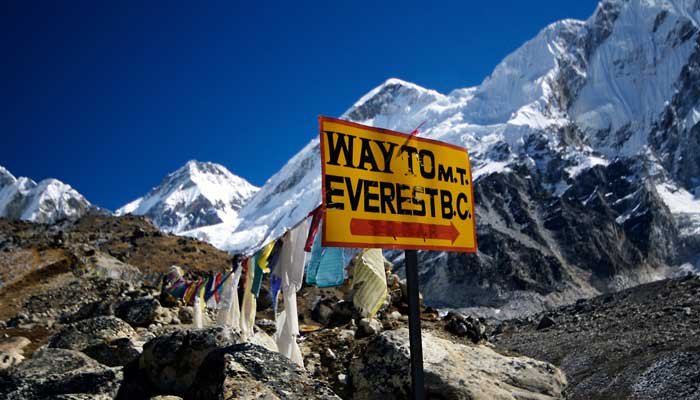
After a short break to rest and refill water, the journey continues toward the legendary Everest Base Camp itself. This final section is challenging, crossing glacial moraine, rocky paths, and uneven high-altitude terrain, with ever-changing views of the surrounding Himalayan giants.
Reaching Everest Base Camp is a major highlight of the entire trek, offering an unforgettable sense of achievement. The dramatic landscape is dominated by the immense ice formations of the Khumbu Icefall, creating a surreal and powerful Himalayan environment. During the spring climbing season, the area becomes even more vibrant as expedition teams prepare for their summit attempts on Mount Everest.
After spending time at base camp, taking photos, and soaking in the atmosphere, the return journey leads back to Gorakshep. This long and rewarding round trip typically takes around eight hours in total, making it one of the most memorable and challenging days of the Everest Three Passes adventure.
Throughout the day, steady pacing, proper hydration, and good acclimatization are essential to fully enjoy this extraordinary experience in the heart of the Himalayas.
The day begins with an early morning climb to Kala Patthar (5,632m/18,477ft), one of the most spectacular viewpoints in the entire Everest region and a true highlight of the Everest Three Passes Trek. This steep but rewarding ascent is often timed for sunrise, when the first light of day reveals the Himalayas in their most dramatic form.
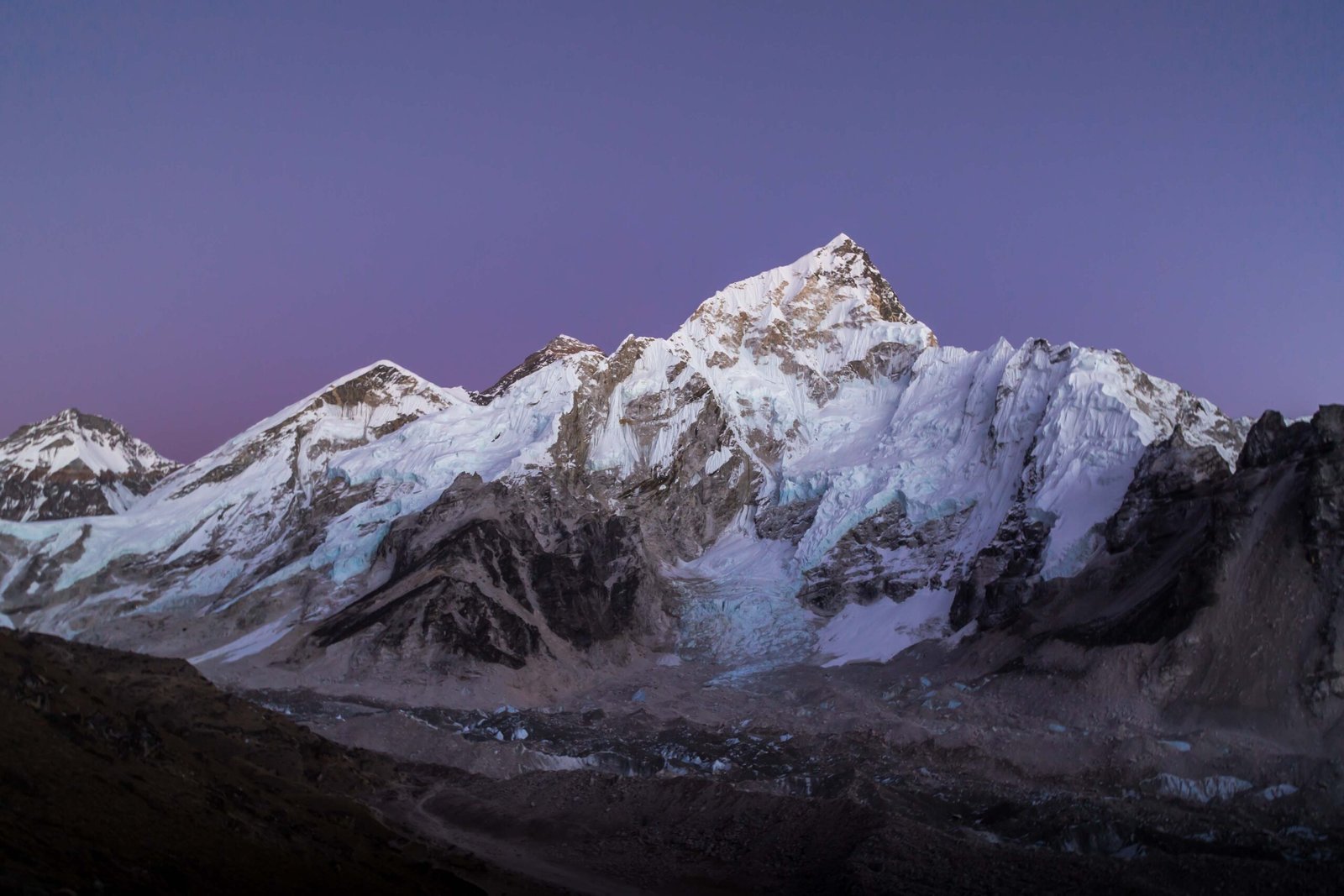
From the summit of Kala Patthar, trekkers are treated to an unforgettable panoramic view of Mount Everest along with surrounding giants such as Nuptse, Lhotse, Pumori, and the vast expanse of the Khumbu Icefall. Watching the golden sunrise light up these towering peaks creates one of the most iconic and emotional moments of the entire journey.
After spending time at the viewpoint, taking photos, and enjoying the scenery, the descent leads back down to Gorakshep. This round trip typically takes around three hours, depending on pace and time spent at the top.
From Gorakshep, the trek continues as the route gradually leaves the high-altitude zone behind and heads toward Pheriche (4,200m/13,780ft). The trail passes through rugged terrain and wide valley landscapes, offering a noticeable change in scenery as the descent begins.
This section of the journey is both physically demanding and deeply rewarding, combining one of the best viewpoints in the Himalayas with a gradual return to lower elevations. Careful pacing, hydration, and continued acclimatization remain important for a safe and enjoyable experience on this stage of the Everest Three Passes Trek.
An early morning departure marks the beginning of one of the most challenging and rewarding sections of the Everest Three Passes Trek as you head toward Cho La Pass (5,365m/17,605ft). The ascent is steep and demanding, taking around five hours depending on conditions, with the trail leading through rugged alpine terrain, rocky paths, and sections of ice and snow.
As you climb higher, the landscape becomes increasingly dramatic, opening up to sweeping views of glaciers and towering Himalayan peaks. Reaching the top of Cho La is a major achievement, rewarding trekkers with a breathtaking panorama of snow-covered mountains, deep valleys, and vast glacial formations stretching across the horizon.
After spending time at the pass, the descent begins toward Dragnag (also known as Thagnak) at around 4,750m/15,580ft. This section requires careful and steady movement as the trail passes over loose rocks, glacial moraines, and uneven high-altitude terrain.
The contrast between the icy summit of Cho La and the quieter valley below is striking, offering constantly changing scenery throughout the descent. Eventually, the trail eases into more stable ground as you approach the settlement of Dragnag, a remote resting point surrounded by rugged Himalayan landscapes.
Crossing Cho La is considered one of the most demanding yet memorable experiences on the Everest Three Passes route. With proper acclimatization, steady pacing, and good hydration, this section becomes a powerful highlight of the journey, combining physical challenge with extraordinary natural beauty.
The trek from Dzongla to Gokyo is a scenic and rewarding section of the Everest Three Passes Trek, taking around 3 to 4 hours depending on pace and trail conditions. The route gradually traverses rugged high-altitude terrain, crossing glacial valleys and rocky paths while offering continuous views of the surrounding Himalayan landscape.
As the trail progresses, the scenery opens up dramatically, revealing wide alpine valleys and distant snow-covered peaks. Eventually, you arrive at the beautiful settlement of Gokyo (4,800m/15,750ft), located beside the famous Gokyo Lakes.
This village is known for its peaceful atmosphere and stunning natural setting. The turquoise waters of the lakes contrast beautifully with the surrounding mountains, creating one of the most iconic landscapes in the Everest region. It is an ideal place to rest, recover, and acclimatize after days of high-altitude trekking.
Upon arrival, trekkers can settle into a local teahouse and enjoy the calm environment while taking in views of the surrounding peaks. Gokyo also serves as an important acclimatization and exploration point, offering access to some of the most impressive viewpoints in the entire Everest region.
With its combination of natural beauty, high-altitude serenity, and panoramic mountain scenery, this section of the journey is both peaceful and unforgettable on the Everest Three Passes route.
An acclimatization day in Gokyo provides an excellent opportunity to rest while exploring one of the most stunning high-altitude landscapes in the Everest region. This pause in the itinerary is essential for helping the body adjust to the thinner air and preparing for the more demanding sections of the Everest Three Passes Trek ahead.
A major highlight of the day is the hike to Gokyo Ri (5,360m/17,585ft), one of the most famous viewpoints in the Himalayas. The ascent is steep and challenging, but it is widely considered one of the most rewarding climbs in the region.
From the summit of Gokyo Ri, trekkers are rewarded with a breathtaking 360-degree panorama of the surrounding Himalayan giants, including Mount Everest, Lhotse, Makalu, and Cho Oyu. Below, the striking turquoise waters of the Gokyo Lakes create a dramatic contrast against the rugged terrain and towering peaks.
After spending time at the viewpoint to take in the scenery and capture photographs, the descent leads back down to Gokyo. The remainder of the day is spent resting and acclimatizing in the peaceful lakeside village, surrounded by an incredible mountain backdrop.
This acclimatization stop plays a key role in ensuring safety and comfort for the higher and more challenging stages of the Everest Three Passes Trek, while also offering one of the most unforgettable viewpoints in the entire journey.
The trek from Gokyo to Marlung via Renjo La Pass (5,345m/17,535ft) is one of the most scenic and rewarding stages of the Everest Three Passes Trek. The day begins with a steady and challenging ascent toward the pass, following a steep, rocky trail that gradually gains altitude while revealing increasingly dramatic Himalayan views.
As you climb higher, the landscape opens up to stunning vistas of the Gokyo Lakes and surrounding peaks, including Mount Everest, Lhotse, Makalu, and Cho Oyu. The combination of turquoise lakes, glaciers, and towering snow-covered mountains creates one of the most spectacular panoramas in the entire Everest region.
Reaching the top of Renjo La is a major achievement, offering sweeping 360-degree views of the high Himalayas and deep valleys below. After spending time at the pass, the trail descends steeply through rugged terrain before gradually easing into more defined paths.
The route then continues toward Marlung (4,210m/13,810ft), a quiet and remote mountain village nestled in the Thame Valley. The descent brings a noticeable change in scenery, shifting from high alpine landscapes to calmer, less-traveled trails surrounded by traditional Himalayan settlements.
Arriving in Marlung offers a peaceful end to a demanding day, marking the successful crossing of the final high pass of the Everest Three Passes Trek. This section combines physical challenge with extraordinary natural beauty, making it one of the most memorable experiences on the entire route.
The trek from Marlung to Namche Bazaar marks a gradual descent into lower altitudes, offering a more comfortable and relaxed section of the Everest Three Passes Trek while still delivering beautiful Himalayan scenery throughout the journey.
The trail follows a well-defined path through the Khumbu region, passing traditional Sherpa settlements, crossing suspension bridges, and weaving through sections of rhododendron and pine forest. As the elevation decreases, the air becomes noticeably richer in oxygen, making the walk easier and more enjoyable compared to the higher mountain passes.
Along the way, trekkers continue to enjoy views of surrounding Himalayan peaks, while also experiencing the cultural richness of local mountain communities. The changing landscape—from rugged alpine terrain to greener valleys—adds variety and depth to the descent.
As the route approaches Namche Bazaar (3,440m/11,290ft), the vibrant heart of the Everest region, the atmosphere becomes livelier. This well-known mountain town offers teahouses, bakeries, cafes, and shops, creating a welcoming environment after days spent in remote high-altitude terrain.
Returning to Namche Bazaar is a meaningful milestone on the journey, providing an opportunity to rest, recharge, and reflect on the challenges and achievements of crossing the high passes. It also marks a significant transition from remote alpine wilderness back into a more social and cultural trekking hub in the Khumbu region.
The final stretch of the Everest Three Passes Trek begins as you leave Namche Bazaar and gradually descend toward Phakding, marking a meaningful transition from high-altitude wilderness back into lower, greener valleys. This section of the trail is a long and steady descent, following well-trodden paths through forests, traditional villages, and a series of suspension bridges draped with prayer flags.
As you move lower in elevation, the landscape becomes noticeably more lush and the air richer in oxygen. The towering Himalayan peaks that dominated the skyline throughout the trek slowly begin to disappear into the distance, offering one last chance—weather permitting—to capture views of iconic summits such as Mount Everest, Ama Dablam, and Lhotse.
Arriving in Phakding, trekkers can relax in a peaceful riverside setting, enjoying a comfortable rest after the long descent. The village provides a calm atmosphere to reflect on the journey so far, surrounded by the natural beauty of the Khumbu region.
The following day continues with the final walk back to Lukla, where the trekking journey officially concludes. This last section is often filled with a sense of accomplishment and reflection as trekkers pass through familiar trails and villages for the final time.
Reaching Lukla marks the completion of the Everest Three Passes Trek. The evening is typically spent celebrating the successful journey with the trekking crew, sharing experiences, and expressing gratitude for the support and teamwork that made the expedition possible. It is a memorable conclusion to one of the most challenging and rewarding trekking adventures in the Himalayas.
The Everest Three Passes Trek concludes with an early morning departure from Lukla, where a scenic return flight to Kathmandu offers one last chance to admire the Himalayan landscape from above. As the aircraft lifts off the short mountain runway, the surrounding peaks of the Khumbu region gradually fade into the distance, leaving behind a powerful sense of achievement and lasting memories of the journey.
During the flight, trekkers can enjoy sweeping aerial views of the snow-covered Himalayas before descending toward the Kathmandu Valley. Upon arrival in Kathmandu, a smooth transfer takes you back to your hotel, where the comfort of city life feels especially welcoming after days spent in remote mountain terrain.
Simple comforts such as a hot shower, clean clothes, and a relaxed environment provide a well-earned opportunity to rest and recover. The trekking experience officially comes to an end, and final flight details are usually confirmed by the team to ensure everything runs smoothly.
The return marks a time for reflection on the incredible journey across high passes, remote valleys, and iconic viewpoints throughout the Everest region. It is also a moment to share stories, celebrate the achievement, and appreciate the effort it took to complete one of the most demanding trekking routes in the Himalayas.
After completing the Everest Three Passes Trek, the final day in Kathmandu is an opportunity to relax and reflect on the journey. The city offers a comfortable contrast to the high-altitude trails of the Khumbu, whether you choose to explore cultural landmarks, shop for souvenirs, or simply unwind at your hotel.
This buffer day is also useful in case of any weather-related delays or schedule changes on flights to and from Lukla, which are common in the Himalayan region. Having an extra day before international departure helps ensure a smooth and stress-free return journey.
As the trek comes to an end, it becomes a time to look back on the highlights of the adventure—crossing high mountain passes, exploring remote valleys, and experiencing the unique culture of the Everest region. The memories of this journey often leave a lasting impression and inspire future travels in the Himalayas.
Includes/Excludes
Cost Includes
- Round-trip flights between Kathmandu and Lukla (both ways)
- All airport transfers (international and domestic) with pick-up and drop services
- 2 nights hotel accommodation in Kathmandu on a twin/double sharing basis with breakfast
- Accommodation during the trek in the best available mountain tea houses/lodges
- Full board meals during the trek (breakfast with tea/coffee, lunch, and dinner)
- All required trekking permits (National Park entry fee and TIMS card)
- Porter service for each trekker’s personal baggage
- Experienced, licensed, and professional trekking guide
- Insurance, salary, and daily allowances for guides and porters
- Welcome dinner in Kathmandu before the trek
- Duffle bag provided for trekking participants
- Certificate of achievement upon successful completion of the trek
- Emergency oxygen cylinders (for high-altitude safety if required)
- Comprehensive first aid medical kit for the trek
Cost Excludes
- International airfare and Nepal visa fees
- Personal travel, medical, and emergency rescue insurance
- Extra hotel nights due to early arrival or late departure
- Internet, alcoholic beverages, bottled/mineral water, and hot showers during the trek
- Tips for guides, porters, and support staff
- Personal expenses such as souvenirs, snacks, and laundry services
FAQs
The Everest Three Passes Trek is considered one of the most challenging trekking routes in Nepal. It involves crossing three high-altitude passes above 5,300 meters along with long trekking days and steep ascents. This trek is best suited for experienced and physically fit trekkers with good stamina and prior high-altitude trekking experience.
The complete Everest Three Passes Trek typically takes around 18 to 20 days, depending on the itinerary, weather conditions, and acclimatization schedule. Extra buffer days are often recommended to manage flight delays in the Lukla–Kathmandu route.
The best seasons for the Everest Three Passes Trek are spring (March to May) and autumn (September to November). During these months, the weather is generally stable, skies are clear, and mountain views are at their best, making high passes safer and more enjoyable.