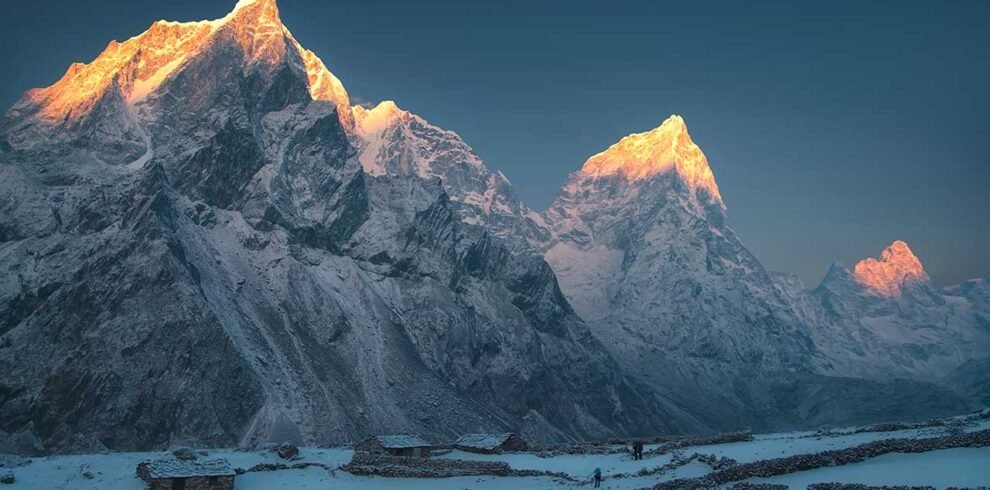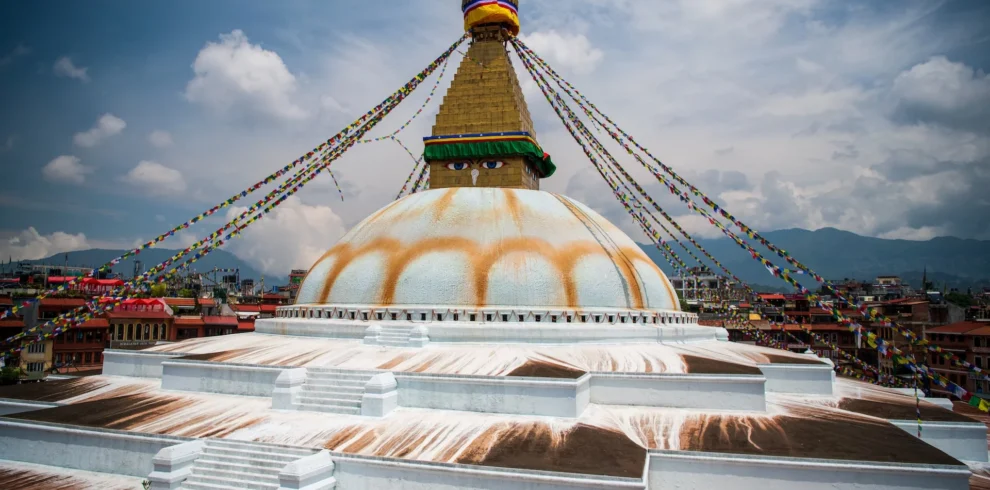
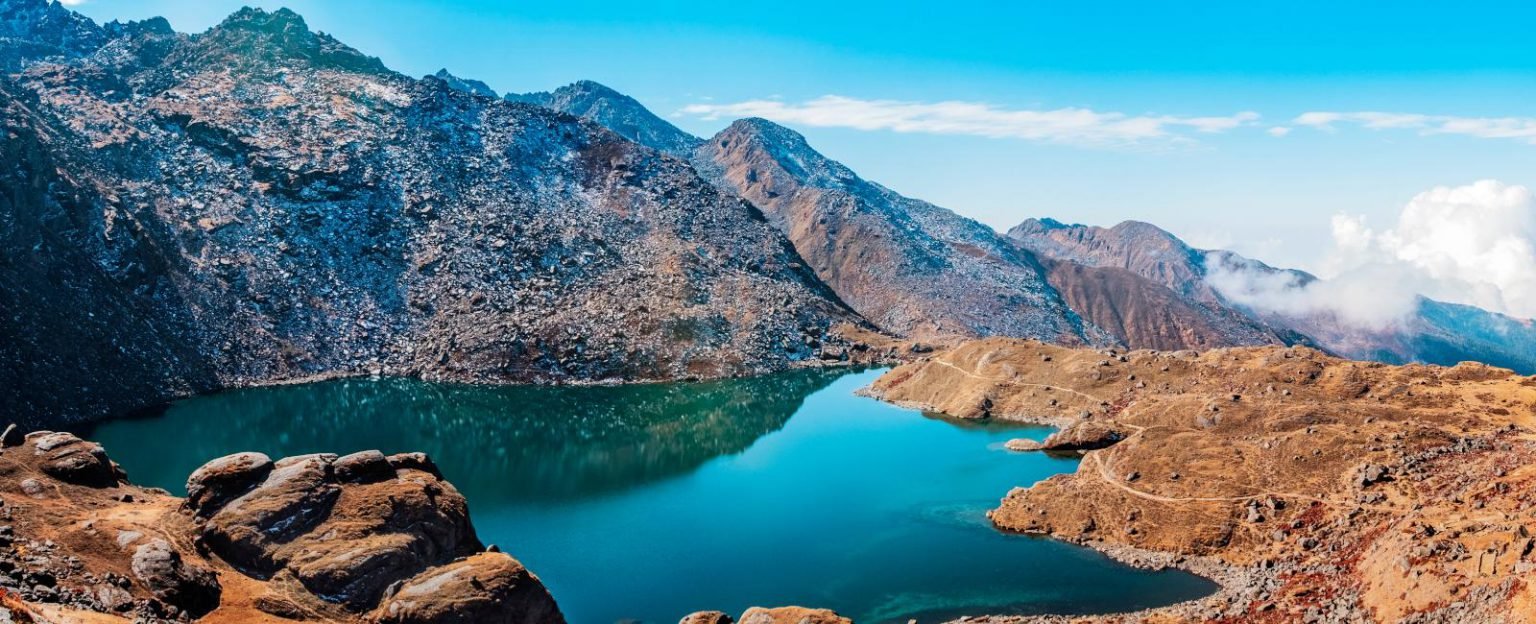
The Langtang Gosaikunda Trek is a remarkable Himalayan journey that combines the beauty of Langtang Valley with the sacred alpine lakes of Gosaikunda. Located north of Kathmandu Valley, this trek offers an incredible blend of natural scenery, cultural heritage, and high-altitude adventure.
The adventure begins from Syabrubesi, following the trail alongside the Langtang River toward Lama Hotel. As you ascend, the route passes through dense rhododendron and bamboo forests, opening up to breathtaking mountain views. Renowned British explorer Bill Tillman once described Langtang Valley as “the most beautiful place in the world,” a sentiment that continues to reflect the region’s stunning charm.
Although the region was impacted by the 2015 earthquake, Langtang has beautifully recovered and now welcomes trekkers with restored trails, warm hospitality, and unchanged Himalayan grandeur. The area is also rich in biodiversity, offering opportunities to observe diverse flora and fauna throughout the journey.
Key cultural highlights of the trek include Kyanjin Gompa, ancient chortens, and colorful Buddhist prayer flags that reflect the spiritual essence of the region. After exploring Langtang Valley, the trail retraces back to Lama Hotel before heading toward Thulo Syabru and Lauribinayak. From Lauribinayak, trekkers are rewarded with spectacular sunrise and sunset views over Langtang Lirung and the Ganesh Himal range.
The journey culminates at the sacred Gosaikunda Lake, a revered pilgrimage site surrounded by dramatic alpine landscapes, making this trek a truly unforgettable Himalayan experience.
Trip Info
-
Hotel/ Camping
-
Sept, Oct, Nov, March, April, May
-
5000 M
-
5/6 hours
Overview
The Langtang Gosaikunda Trek is a remarkable Himalayan journey in the Langtang region, located north of Kathmandu Valley. This trek beautifully combines two stunning destinations—Langtang Valley and the sacred Gosaikunda Lake—offering trekkers an unforgettable mix of natural beauty, cultural richness, and high-altitude adventure.
The journey begins from Syabrubesi and follows the trail alongside the Langtang River toward Lama Hotel. As the route ascends, it passes through dense rhododendron and bamboo forests, gradually revealing spectacular views of the surrounding Himalayan peaks. Langtang Valley has often been admired for its natural beauty, with British explorer Bill Tillman famously describing it as one of the most beautiful places in the world.
Despite the impact of the 2015 earthquake, the Langtang region has made a strong recovery and continues to welcome visitors with its stunning landscapes and warm local hospitality. The region is also rich in biodiversity, allowing trekkers to experience a wide variety of flora and fauna along the trail.
Important cultural and spiritual highlights of the trek include Kyanjin Gompa, traditional chortens, and colorful Buddhist prayer flags that reflect the deep-rooted heritage of the region. After exploring Langtang Valley, the trail descends back to Lama Hotel and continues toward Thulo Syabru and Lauribinayak. From Lauribinayak, trekkers are rewarded with breathtaking sunrise and sunset views over Langtang Lirung and the Ganesh Himal range.
One of the major highlights of the trek is the sacred Gosaikunda Lake, situated at an altitude of around 4,380 meters. Revered by both Hindus and Buddhists, the lake holds deep spiritual significance and attracts pilgrims throughout the year. During the Janai Purnima festival in August, thousands of devotees visit Gosaikunda to take ritual baths and participate in religious ceremonies.
The trek concludes at Dhunche, from where the journey returns to Kathmandu. The Langtang Gosaikunda Trek offers a perfect combination of changing landscapes, cultural experiences, and spiritual encounters—from lush forests and traditional villages to high mountain passes and sacred alpine lakes, making it one of the most rewarding trekking experiences in Nepal.
Itinerary
Upon your arrival at Tribhuvan International Airport in Kathmandu, you will be warmly welcomed by a representative and transferred to your hotel in the city. After check-in, you can take some time to rest and recover from your journey.
Once you are settled, there will be a briefing session regarding the Langtang Gosaikunda Trek. During this meeting, the itinerary will be explained in detail, and all necessary information will be provided to help you prepare for the trek. Any questions or last-minute arrangements can also be addressed at this time to ensure everything is well organized.
In the evening, you will be invited to enjoy a traditional Nepalese welcome dinner, where you can experience authentic local cuisine and get an introduction to Nepal’s rich cultural heritage. It is also a great opportunity to meet other trekkers and share excitement about the upcoming journey.
After a pleasant first day in Kathmandu, you will stay overnight at your hotel, preparing for the adventure ahead.
From Kathmandu, the journey begins with a scenic drive to Syabrubesi, the gateway to the Langtang Gosaikunda Trek. The road trip takes around eight hours, passing through winding mountain roads, river valleys, and beautiful hillside landscapes that showcase the diversity of Nepal’s terrain.
Along the way, the route follows the Trishuli River, where travelers can observe traditional villages, terraced farmlands, and everyday rural life. As the drive continues, the road gradually ascends, offering impressive views of the Himalayan ranges, including Annapurna, Manaslu, Ganesh Himal, and the distant peaks of the Langtang region.
Despite being a long drive, the constantly changing scenery keeps the journey engaging and memorable. By late afternoon or evening, you arrive in Syabrubesi, where you settle into a local lodge, relax, and prepare for the trekking adventure that begins the following day.
The trek begins from Syabrubesi, where the trail follows the main path out of the village and gradually ascends along a ridgeline toward Ghopche Khola. The route winds through terraced farmland and dense forests, rich with vegetation such as oak, maple, alder, and bamboo.
As the trail continues deeper into the wilderness, the forest becomes home to diverse wildlife. Trekkers may encounter animals like yellow-throated martens, wild boars, langur monkeys, and, on rare occasions, the red panda or Himalayan black bear. The path also crosses small streams and passes traditional tea houses (bhattis), where trekkers and locals often take a short rest.
Further along, the trail climbs steadily, offering occasional views of snow-covered peaks emerging through the forest canopy. A steel suspension bridge at around 2,000 meters provides a crossing over the Langtang Khola, leading onto the north bank of the river. From here, the scenery becomes even more dramatic, with waterfalls cascading down steep rocky cliffs.
With a gradual ascent through peaceful forest surroundings and fresh mountain air, the trail eventually reaches Lama Hotel at an elevation of approximately 2,748 meters. Nestled in a quiet forested setting, Lama Hotel offers a calm resting point for the night before continuing deeper into the Langtang region.
From Lama Hotel, the trek continues along the banks of the Langtang Khola, with the trail gradually gaining elevation as it becomes more challenging. The dense forest of oak, maple, and rhododendron slowly begins to open up, revealing wider valleys and increasingly impressive mountain scenery.
As the ascent continues, the majestic peak of Langtang Lirung (7,246m) gradually comes into view, its snow-covered summit rising dramatically above the surrounding landscape. This striking sight provides strong motivation to continue the journey deeper into the valley. The trail then crosses a rustic log bridge over the fast-flowing Langtang Khola before reaching Ghora Tabela at around 3,000 meters.
Ghora Tabela is a peaceful stop surrounded by green meadows and rolling hills, with a few small lodges and a checkpoint where trekking permits are registered. Beyond this point, the valley opens up further, transforming into wide alpine landscapes and yak pastures that stretch across the region. These high-altitude grazing grounds are an essential part of the local lifestyle.
Along the way, trekkers pass through traditional Tamang settlements, where culturally rich villages are marked by carved wooden homes, prayer flags, and spinning prayer wheels that reflect the strong Buddhist influence of the region. After continuing the steady climb, the trail leads to Langtang Village at around 3,500 meters.
Langtang Village is an important settlement within the Langtang region and serves as a key stop along the trek. The village features traditional stone houses, teahouses, small shops, and cultivated fields where locals grow crops such as potatoes, barley, buckwheat, and vegetables. The surrounding mountain views and peaceful environment make it a memorable place to rest for the night.
After a long day of trekking, you settle into a local lodge, enjoy a warm meal, and rest in preparation for the journey ahead.
The trail continues through wide alpine landscapes and open yak pastures, where herds of yaks graze peacefully against the dramatic backdrop of the Himalayas. These high-altitude meadows are an essential grazing area and play an important role in the local mountain economy.
As the journey progresses, the route passes through traditional Tamang villages such as Muna and Singdun. Life in these settlements is simple and closely connected to nature. Stone-built houses decorated with prayer flags reflect the strong Tibetan Buddhist influence of the region, while locals can often be seen tending livestock and working in the fields. The air is often filled with the subtle aroma of burning juniper, used in local spiritual and purification rituals.
The trail then crosses a wooden cantilever bridge over glacial streams flowing down from the surrounding peaks. From here, the path gradually ascends over moraine terrain formed by ancient glaciers, with rocky sections and scattered boulders adding a sense of rugged adventure to the trek. As the altitude increases, the valley opens up further, offering stunning panoramic views of snow-covered Himalayan peaks.
A steady final climb leads to Kyanjin Gompa, one of the most important cultural and spiritual sites in the Langtang region. Surrounded by towering mountains, this peaceful settlement is home to a historic monastery where Buddhist traditions are still actively practiced. Nearby lies the famous local cheese factory, known for producing traditional yak cheese.
Kyanjin Gompa offers a truly spectacular mountain setting, combining cultural heritage with breathtaking natural scenery. After reaching this beautiful destination, trekkers settle into a local lodge for an overnight stay, surrounded by the tranquility of the high Himalayas.
Kyanjin Gompa marks the highest point of the trek, where a full day is dedicated to exploration and acclimatization in the stunning Himalayan surroundings. This peaceful settlement offers an ideal opportunity to experience both natural beauty and cultural heritage at high altitude.
One of the key highlights is a visit to the historic Kyanjin Gompa, a Buddhist monastery that holds deep spiritual importance in the region. Colorful prayer flags flutter in the mountain breeze, while the monastery reflects centuries of Buddhist tradition still practiced by the local community. Another interesting stop is the local cheese factory, where traditional yak cheese is produced and can be tasted fresh from the source.
For those seeking a more challenging experience, an optional hike to Kyanjin Ri (4,775m) offers one of the most rewarding viewpoints in the Langtang region. The ascent is steep but highly rewarding, leading to panoramic views of Langtang Lirung, Dorje Lakpa, and other majestic Himalayan peaks, along with glaciers and deep valleys below.
Whether exploring the monastery, visiting the cheese factory, or hiking to Kyanjin Ri, the day provides an unforgettable chance to absorb the tranquility and grandeur of the high mountains. After a fulfilling day, you return to your lodge in Kyanjin Gompa for an overnight stay, resting and preparing for the journey back.
From Kyanjin Gompa, the return journey begins as the trail descends back toward Lama Hotel, following the route along the Langtang Khola. Although familiar, the landscape feels equally beautiful in reverse, offering a fresh perspective of the valley and surrounding peaks.
The descent passes once again through Langtang Village, where traditional stone houses, prayer flags, and cultivated fields reflect the deep cultural heritage of the Tamang community. Continuing onward, the trail winds through wide yak pastures and gradually re-enters the forested zone near Ghora Tabela.
A short break is often taken at Ghora Tabela for rest and lunch, allowing trekkers to enjoy the final views of the upper valley before descending further. From here, the path becomes steeper in sections, requiring careful footing as it moves through dense forests of rhododendron, oak, and pine.
Throughout the descent, the sound of the Langtang Khola flowing beside the trail creates a calming atmosphere. Eventually, the journey leads back to Lama Hotel, where you settle into a local lodge, relax, and reflect on the experiences of the Langtang Valley section of the trek before continuing onward.
The trek from Lama Hotel to Thulo Syabru follows a scenic and varied trail that first descends through dense forests and then gradually transitions into cultivated hillside landscapes. The route passes through rich woodlands of rhododendron, oak, and pine, creating a peaceful environment filled with birdsong and the sound of flowing streams.
As the trail continues, occasional openings in the forest provide glimpses of distant snow-capped peaks, adding to the beauty of the descent. Eventually, the path reaches a junction where the routes toward Syabrubesi and Thulo Syabru diverge. From here, the trail toward Thulo Syabru begins a steady ascent through terraced hillsides.
The climb leads into a traditional Tamang village situated at around 2,120 meters. Thulo Syabru is known for its cultural richness, with stone-built houses, carved wooden details, and prayer flags reflecting the strong Buddhist influence of the region. The village offers a warm and welcoming atmosphere, where local life continues at a gentle pace.
From Thulo Syabru, there are impressive views of surrounding Himalayan ranges, including Langtang Himal and Ganesh Himal. The village also serves as an important stopover point before continuing the journey toward Gosaikunda. After arrival, you settle into a local lodge for the night, resting and preparing for the next stage of the trek.
The trek from Thulo Syabru to Sing Gompa follows a steady uphill trail through dense forests and gradually changing alpine landscapes. As the journey begins, the route climbs through beautiful woodlands of rhododendron and pine, offering a calm and refreshing atmosphere in the heart of the mountains.
As elevation increases, the forest begins to open up, revealing rolling hills, open ridges, and grazing areas where yaks and other livestock can often be seen. The changing scenery is accompanied by cooler temperatures and increasingly wide views of the surrounding Himalayan ranges, including Langtang and Ganesh Himal.
Along the way, small settlements and teahouses provide resting points for trekkers to pause, enjoy warm drinks, and take in the peaceful mountain surroundings. After several hours of gradual ascent, the trail reaches Sing Gompa at around 3,360 meters.
Sing Gompa is a quiet and spiritually significant area known for its Buddhist monastery and serene environment. The monastery remains an important place of worship, where monks continue traditional rituals and prayers. Nearby, a local cheese production center offers insight into traditional yak cheese making, a well-known local specialty.
With its panoramic views of snow-covered peaks and surrounding valleys, Sing Gompa is an ideal place for rest and acclimatization before continuing the journey toward Gosaikunda. After arrival, you settle into a local teahouse for an overnight stay, surrounded by the calm atmosphere of the high Himalayas.
The trek from Sing Gompa to Gosaikunda is one of the most scenic and spiritually meaningful sections of the journey. As the ascent begins, the trail passes through rhododendron and pine forests before gradually opening into more rugged alpine terrain. With increasing altitude, the air becomes cooler and the landscape more dramatic, marking the transition into the high Himalayas.
Along the way, panoramic views of Himalayan peaks such as Langtang Lirung, Ganesh Himal, Himal Chuli, and Manaslu appear in the distance, adding to the grandeur of the trek. As the vegetation thins, the trail follows ridgelines and rocky paths that offer wide, sweeping views of the valleys below.
Spiritual elements become more prominent on this section of the trail, with chortens, prayer flags, and mani walls reflecting the deep Buddhist and Hindu significance of the region. The steady climb continues until the sacred lakes of Gosaikunda come into view at an altitude of around 4,380 meters.
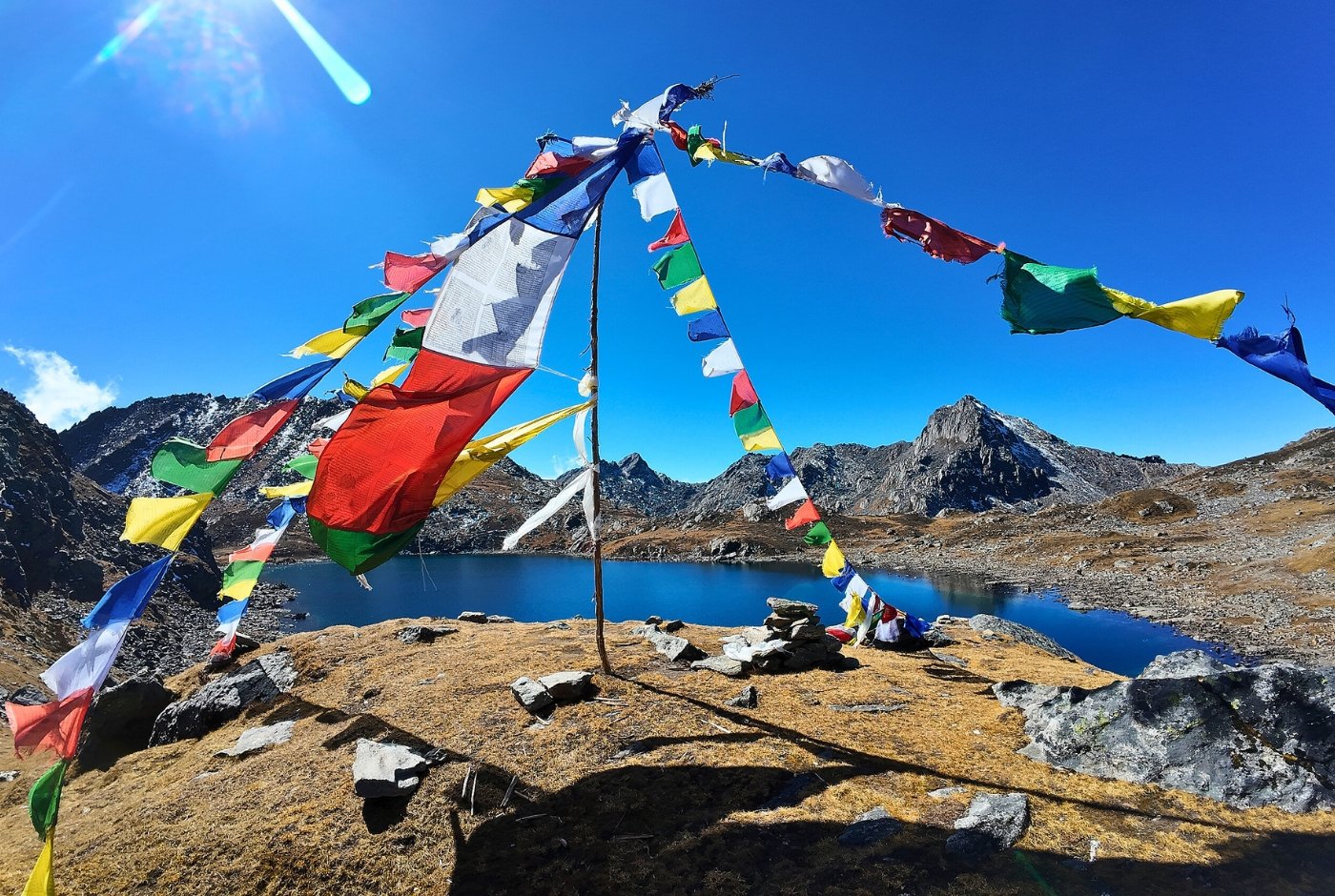
Gosaikunda is a group of glacial lakes surrounded by towering mountains and holds great religious importance for both Hindus and Buddhists. According to Hindu mythology, the lake is believed to have been created by Lord Shiva, making it a major pilgrimage site. During the Janai Purnima festival, thousands of devotees visit the area for ritual bathing and prayers.
The serene blue waters of the lake, combined with the dramatic mountain backdrop, create a truly peaceful and awe-inspiring atmosphere. Upon arrival, time is taken to explore the main lake and surrounding smaller lakes, each adding to the natural beauty and spiritual essence of the area.
After a fulfilling day at Gosaikunda, you settle into a nearby teahouse for an overnight stay, surrounded by the quiet and sacred atmosphere of the high Himalayas.
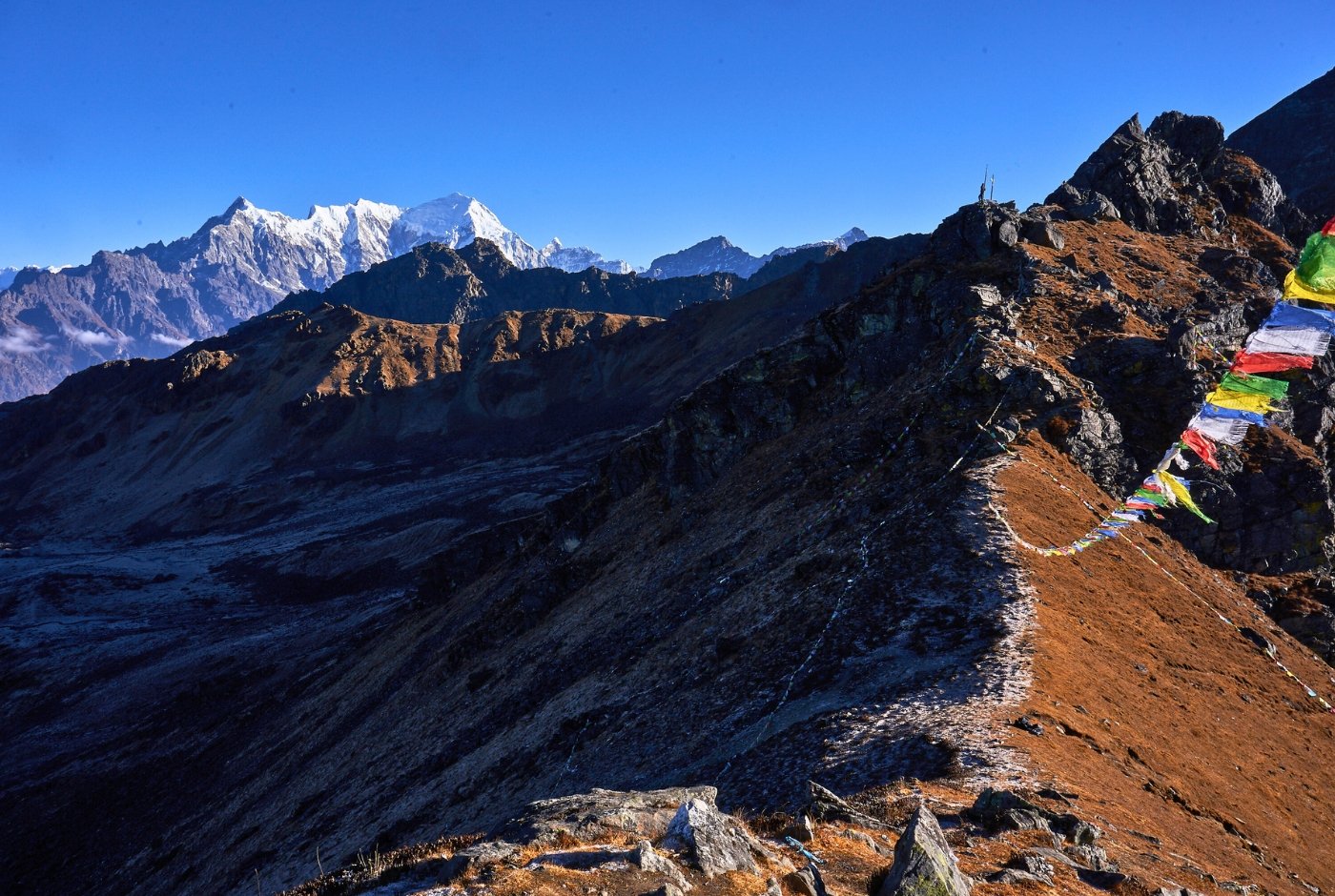
The trek from Gosaikunda to Ghopte crosses one of the most challenging and remote sections of the Langtang–Gosaikunda route. Starting from the sacred lakes, the trail gradually climbs toward Lauribina La Pass at 4,610 meters, the highest point of the trek. The ascent is steep and demanding, but it rewards trekkers with outstanding panoramic views of the Langtang, Ganesh Himal, and distant Himalayan ranges including parts of Annapurna and Manaslu.
At the top of the pass, prayer flags flutter in the strong mountain winds, marking a significant high-altitude crossing. From here, the trail descends sharply into a rugged and rocky landscape. The terrain is remote and dramatic, with glacial moraines, narrow paths, and sparse vegetation creating a true sense of wilderness.
As the descent continues, the harsh alpine environment gradually gives way to scattered vegetation, with rhododendron and pine forests slowly reappearing. Along the way, chortens and prayer flags are found on ridges and passes, reflecting the deep spiritual importance of this trekking route.
Eventually, the trail leads to Ghopte, a small and quiet settlement located at around 3,550 meters. Surrounded by dense forest and mountain terrain, Ghopte offers a peaceful resting point after a long day of trekking. The calm environment and scenic surroundings provide a welcome break before continuing toward the Helambu region.
After arrival, you settle into a local teahouse for an overnight stay, resting and recovering in the tranquil atmosphere of the high Himalayas.
The trek from Ghopte to Melamchi Gaon is a scenic and culturally rich section of the journey through the Helambu region. The trail begins with a gradual ascent through dense forests of rhododendron and pine, where the fresh mountain air and occasional views of distant snow-capped peaks create a refreshing trekking experience.
As the route continues, it gently undulates with a combination of short climbs and descents, gradually opening up to wide views of the Helambu and Langtang ranges. Along the way, trekkers may pass small herder settlements and remote teahouses that reflect the simplicity of mountain life.
This region is also rich in wildlife, and it is possible to spot species such as Himalayan monals, langurs, and, on rare occasions, the elusive red panda. The trail eventually transitions into cultivated landscapes with terraced fields and traditional stone houses decorated with prayer flags, marking the approach to Melamchi Gaon.
Melamchi Gaon is a traditional Sherpa and Tamang village known for its strong Buddhist heritage. The village features ancient monasteries, prayer wheels, and intricately carved mani walls, offering a deep insight into local culture and spirituality. The peaceful surroundings and warm hospitality of the community make it a memorable stop on the trek.
After arrival, you settle into a local teahouse, enjoy a warm meal, and rest in the calm mountain environment, reflecting on the journey through this culturally rich region.
The trek from Melamchi Gaon to Tarke Gyang is a scenic and culturally rich journey through the Helambu region. The trail begins with a gradual descent through dense forests of rhododendron and oak, offering a peaceful walking environment with occasional sounds of birds and views of the surrounding hills.
As the route continues, it crosses a suspension bridge over the Melamchi River, where clear mountain waters flow through the valley below. After crossing, the trail begins a steady ascent toward Tarke Gyang, one of the most prominent villages in the Helambu region.
The climb is gradual and rewarding, with expanding views of terraced fields, forested hillsides, and distant Himalayan peaks. Along the way, small settlements belonging to the Hyolmo (Yolmo) community reflect the cultural richness of the region, where traditional lifestyles and warm hospitality are still deeply preserved.
Tarke Gyang is a culturally significant village known for its ancient monasteries, traditional stone houses, and strong Buddhist heritage. The Tarke Gyang Monastery is an important spiritual site for the local community, and the village atmosphere is enriched with prayer wheels, mani walls, and colorful prayer flags.
This section of the trek offers a meaningful blend of natural beauty and cultural experience. After arrival, you settle into a local teahouse, enjoy traditional meals, and spend the night in the peaceful mountain village, surrounded by the serene environment of the Helambu region.
The trek from Tarke Gyang to Sermathang is a relatively easier and highly scenic section of the Helambu route, offering a relaxing walk through peaceful landscapes and culturally rich villages. The trail follows a gentle path with mild ascents and descents, passing through forests, open hillsides, and traditional settlements.
Along the way, trekkers enjoy beautiful views of the Langtang and Ganesh Himal ranges, with occasional glimpses of distant peaks and rolling valleys. The route passes through small Hyolmo (Yolmo) villages where traditional stone houses, mani walls, and prayer flags reflect the strong Buddhist heritage of the region.
Ancient monasteries along the trail add a spiritual touch to the journey, showcasing the deep-rooted cultural traditions of the local communities. The lifestyle in these villages remains closely connected to nature and tradition, offering an authentic Himalayan experience.
Sermathang is a peaceful and picturesque village known for its calm environment and welcoming atmosphere. The village features a historic monastery that holds cultural and religious importance for the local people. On clear days, the views extend toward Jugal Himal and even the distant Kathmandu Valley, adding to its scenic appeal.
After arrival, trekkers settle into a local teahouse, enjoy warm hospitality, and spend the night in this quiet mountain village. The journey from Tarke Gyang to Sermathang is a perfect combination of natural beauty, cultural exploration, and peaceful Himalayan surroundings.
The final day of the Langtang Gosaikunda Trek begins with a scenic descent from Sermathang toward Melamchi Bazaar at an elevation of around 1,100 meters. The trail gradually winds downhill through terraced farmland, dense forests, and traditional villages, offering a peaceful and enjoyable walking experience.
As the altitude decreases, the climate becomes noticeably warmer and the landscape shifts from alpine terrain to lush green hills and river valleys. Along the way, trekkers pass through local settlements where daily rural life can be observed, including farming activities and small trading communities.
The route is marked by monasteries, chortens, mani walls, and prayer flags, reflecting the strong Buddhist cultural influence of the region. The final section of the trek follows a dirt road leading into Melamchi Bazaar, a lively market town where trekkers can take a short rest before continuing the journey back to Kathmandu.
From Melamchi Bazaar, a scenic drive of approximately 4–5 hours leads back to Kathmandu. The road passes through winding hills, river valleys, and rural landscapes, gradually transitioning from quiet countryside to the bustling capital city.
Upon arrival in Kathmandu, you check into your hotel and relax after the journey. This final day offers a smooth transition from the peaceful Himalayan trails back to city life, bringing the Langtang Gosaikunda Trek to a memorable close.
After an unforgettable journey through the Langtang Gosaikunda Trek, a representative will escort you to Tribhuvan International Airport for your departure. As you leave Nepal, the breathtaking Himalayan landscapes, rich cultural experiences, and warm local hospitality will remain lasting memories of your adventure.
With its stunning scenery and meaningful encounters along the trail, this trek offers an experience that stays with you long after you return home. We hope to welcome you back again in the future for another memorable trekking journey in Nepal.
Includes/Excludes
Cost Includes
- International and domestic airport transfers (pick-up and drop)
- Roundtrip ground transfers: Kathmandu–Syabrubesi and Melamchi Bazaar–Kathmandu
- 2 nights hotel accommodation in Kathmandu in double rooms with breakfast
- Accommodation during the trek in the best available mountain lodges
- Full board meals during the trek (breakfast with tea/coffee, lunch, and dinner)
- All required trekking permits (National Park Permit, entrance fees, and TIMS card)
- Porter service for each member’s personal baggage
- Experienced and professional trekking guide
- Insurance, wages, and allowances for guides and porters
- Welcome dinner in Kathmandu
- Trekking duffle bag for each participant
- Certificate of achievement upon successful completion of the trek
- Oxygen cylinder for emergency use
- Comprehensive first aid medical kit
Cost Excludes
- International airfare and Nepal visa fee
- Personal travel, medical, and rescue insurance
- Additional hotel stays in case of early arrival or late departure
- Internet, alcoholic beverages, bottled mineral water, and hot showers
- Tips for guides and porters
FAQs
The Langtang Gosaikunda Trek is considered a moderate to challenging trek. It involves daily walking of 5–7 hours, gradual ascents, and high-altitude passes such as Lauribina La (4,610m). Proper fitness and acclimatization are recommended.
The best seasons for the Langtang Gosaikunda Trek are spring (March to May) and autumn (September to November). During these months, the weather is stable, skies are clear, and mountain views are at their best.
The Langtang Gosaikunda Trek typically takes around 12 to 16 days, depending on the itinerary and walking pace. This includes time for acclimatization and exploration of key highlights such as Langtang Valley and Gosaikunda Lake.